



Services & Departments

General Surgery

Email: info@medihospital.com.cy

Telephone:

The Department of General Surgery at the Mediterranean Hospital of Cyprus is a modern, comprehensive surgical unit providing the full spectrum of General Surgery and Surgical Oncology services. The department delivers high-quality diagnostic, surgical, and postoperative care, combining advanced surgical expertise with a multidisciplinary approach.

The department manages both emergency and elective surgical cases, operating 24 hours a day with a General Surgeon on-site at all times, supported by additional on-call coverage from specialist surgeons across multiple surgical subspecialties.

The Department of General Surgery provides comprehensive care for:

  • Abdominal surgical conditions
  • Gastrointestinal diseases
  • Emergency surgery
  • Trauma
  • Gallbladder surgery (cholecystectomy) and hepatobiliary surgery
  • Hernia surgery
  • Endocrine surgery
  • Breast surgery
  • Laparoscopic and minimally invasive surgery
  • Specialised Surgical Oncology procedures

Surgical Oncology is a core area of expertise within the department, offering comprehensive cancer surgery in accordance with international guidelines and through close multidisciplinary collaboration with oncologists, radiologists, gastroenterologists, pathologists, and other specialist medical teams.

The department also operates daily outpatient clinics, providing:

  • Surgical assessment and consultation
  • Preoperative planning
  • Postoperative follow-up
  • Individualised treatment plans tailored to each patient’s needs

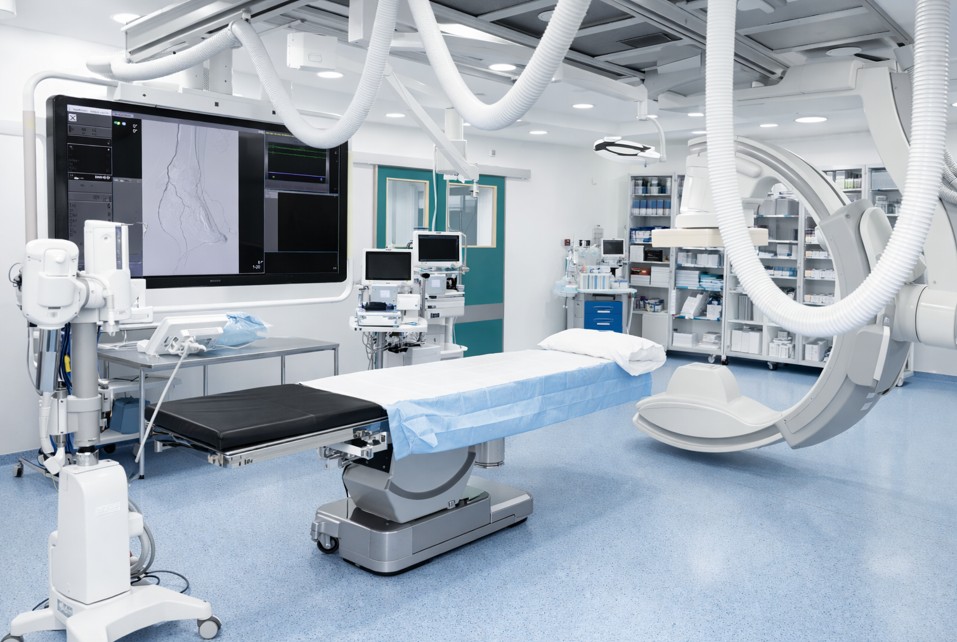
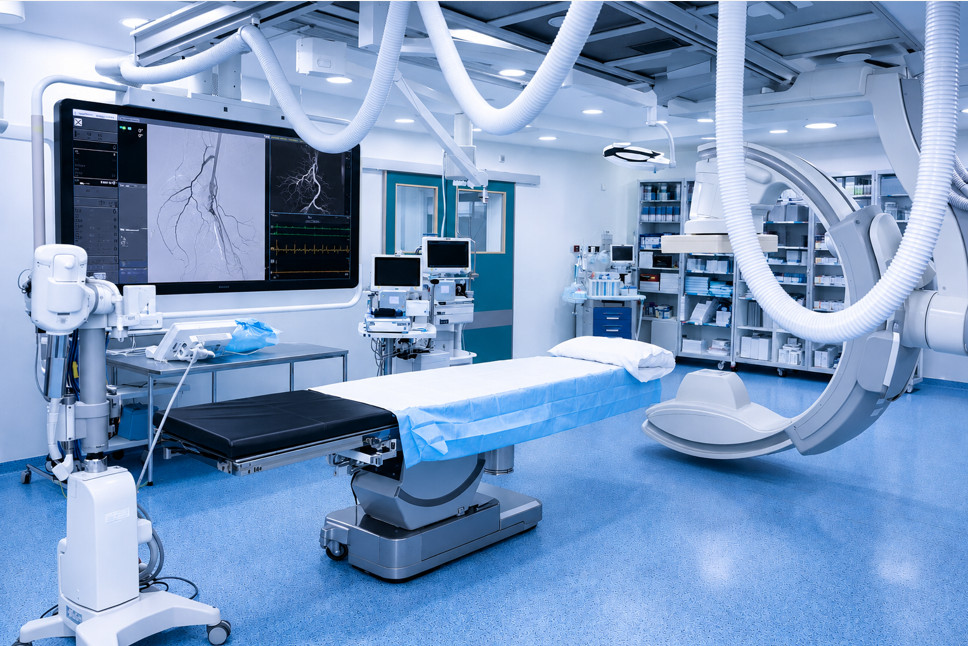
Direct integration with the Accident & Emergency Department, Intensive Care Unit (ICU), Hybrid Operating Theatres, and the Department of Diagnostic Imaging enables the safe and efficient management of even the most complex and critically ill surgical patients.


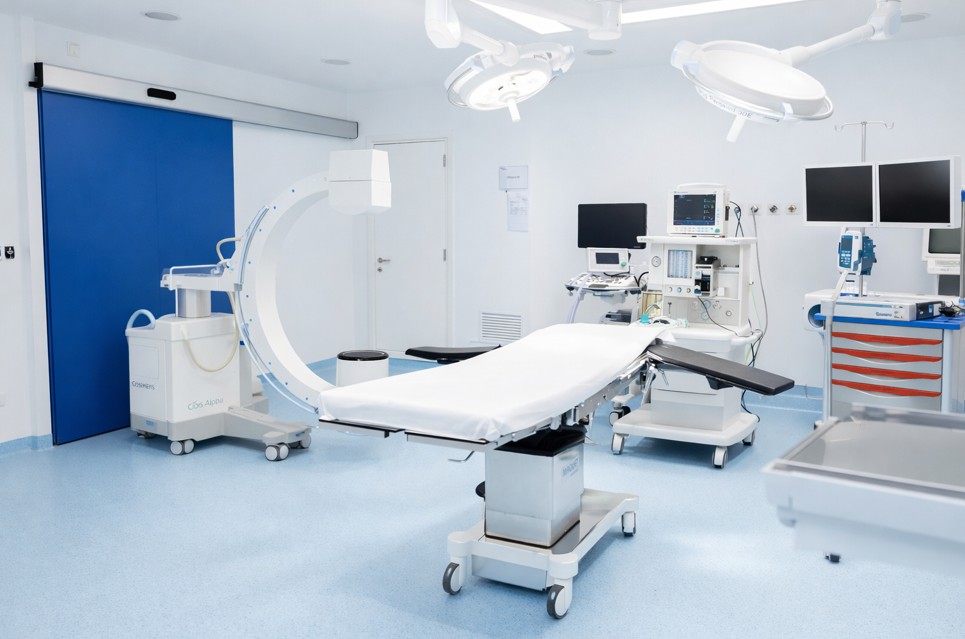
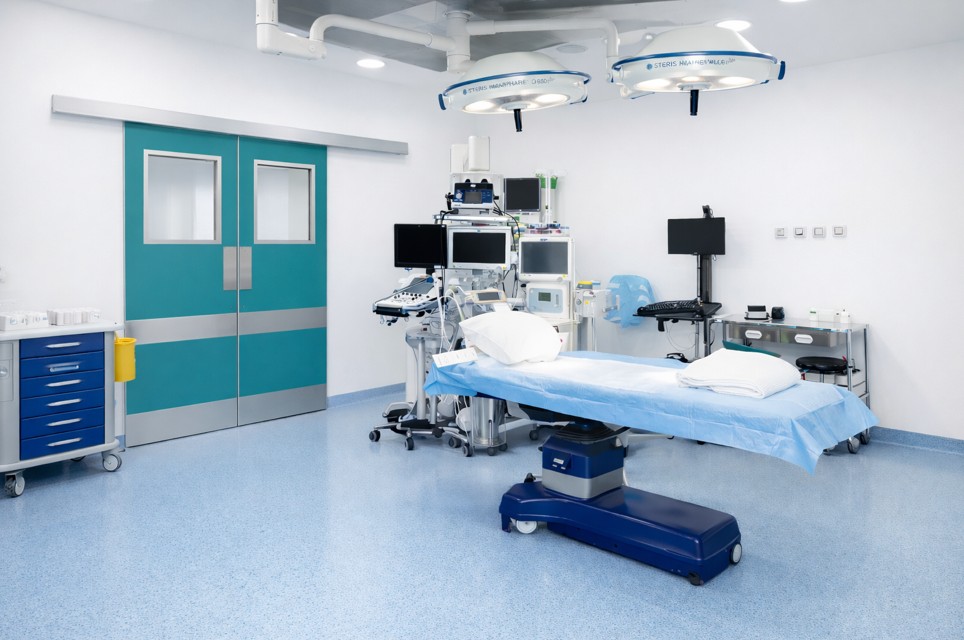
The Department of General Surgery at the Mediterranean Hospital of Cyprus is supported by state-of-the-art surgical facilities and the latest medical technology, ensuring the highest standards of surgical care and patient safety.

The department is equipped with:

  • Modern operating theatres
  • Hybrid Operating Theatres
  • Advanced high-definition laparoscopic systems
  • Latest-generation surgical towers
  • Modern intraoperative imaging systems
  • Advanced surgical energy devices
  • Comprehensive anaesthetic and intensive care support
  • Full integration with the Recovery Unit, Intensive Care Unit (ICU), and the Department of Diagnostic Imaging

This advanced technological infrastructure enables the safe and effective performance of:

  • Open surgical procedures
  • Minimally invasive (laparoscopic) surgery
  • Highly specialised oncological surgery
  • Complex emergency surgical procedures

The use of modern surgical techniques contributes to:

  • Reduced surgical trauma
  • Shorter hospital stays
  • Faster recovery
  • Improved postoperative outcomes

The Department of General Surgery is staffed by experienced and highly specialised General Surgeons with expertise spanning the full spectrum of modern General Surgery and Surgical Oncology.

The surgical team works closely with:

  • Anaesthesiologists
  • Intensive Care specialists
  • Gastroenterologists
  • Oncologists
  • Radiologists
  • Pathologists
  • The Hospital’s wider surgical and nursing teams

This close collaboration ensures a comprehensive, multidisciplinary approach to patient care.

The department’s nursing staff are specially trained in surgical and perioperative care, playing a vital role in ensuring patient safety, maintaining high standards of quality, and enhancing the overall patient experience throughout the surgical journey.

Continuous professional development, 24-hour operational readiness, and adherence to internationally recognised surgical protocols reflect the Mediterranean Hospital of Cyprus’s commitment to delivering exceptional surgical care, centred on patient safety, innovation, and personalised treatment.

Services

Breast Surgery Department

The Breast Surgery Department provides a comprehensive range of services, from prevention and early diagnosis to treatment and breast reconstruction. Its primary goal is the successful treatment of all breast conditions, with a particular focus on achieving the best possible outcomes for patients with breast cancer.

The Breast Surgery team develops an individualised management and follow-up plan for each patient, taking into account factors such as age, personal and family medical history, breast composition and density, and the findings of the clinical breast examination.

Following personalised breast imaging, the results are carefully reviewed by the Breast Surgeons, who recommend the most appropriate next steps for ongoing surveillance, further investigation, or treatment.

The Mediterranean Hospital of Cyprus offers a full range of advanced breast diagnostic services, including:

  • Digital mammography
  • Breast ultrasound
  • Fine-needle aspiration (FNA) for cytological examination
  • Stereotactic breast biopsy
  • Stereotactic or ultrasound-guided localisation of non-palpable breast lesions, performed by a specialist Breast
  • Radiologist

The Breast Surgeons provide the complete spectrum of modern breast surgical procedures, including:

  • Sentinel lymph node biopsy
  • Oncoplastic breast surgery to optimise cosmetic outcomes
  • Breast reconstruction following mastectomy, when appropriate, in collaboration with Plastic Surgeons

The department also operates a dedicated Breast Multidisciplinary Team (MDT) meeting, bringing together Breast Surgeons, Breast Radiologists, Pathologists, and Medical Oncologists to determine the most appropriate, evidence-based treatment plan for each patient.

In addition, the Breast Surgery Department includes a dedicated chemotherapy unit staffed by Medical Oncologists and specialised Oncology Nurses, who support patients throughout every stage of their treatment journey.

Every aspect of the department is centred on the patient. Each member of the multidisciplinary team approaches every case with compassion, empathy, and understanding, delivering expert, personalised care in a safe and supportive environment.

Endocrine and Neck Gland Surgery Department

The Endocrine and Neck Gland Surgery Department operates daily at the Mediterranean Hospital of Cyprus, providing specialist assessment and surgical management of disorders affecting the thyroid gland, parathyroid glands, and cervical lymph nodes.

Thyroid Gland

The thyroid gland is an endocrine organ located at the front of the neck. It produces hormones that play a vital role in regulating the body's metabolism and maintaining physiological homeostasis.

The standard surgical treatment for thyroid disease is total thyroidectomy, performed using intraoperative nerve monitoring to help protect the recurrent laryngeal nerves. When cancer has spread to the cervical lymph nodes, the procedure may be combined with central and/or lateral neck dissection. Central neck dissection is also performed when there is clinical or radiological suspicion of disease involving the central cervical lymph nodes.

A thyroid lobectomy, involving the removal of one thyroid lobe and the isthmus, is performed in selected patients with a solitary thyroid nodule, most commonly a functioning nodule (toxic adenoma).

Indications for Thyroid Surgery

Surgery is recommended for:

  • Thyroid cancers confirmed preoperatively by fine-needle aspiration (FNA) biopsy
  • Thyroid nodules with clinical or imaging findings suspicious for malignancy
  • Toxic adenoma
  • Graves' disease that is resistant to medical treatment
  • Large multinodular goitre causing compression of the trachea or other adjacent structures
  • Parathyroid Glands

The parathyroid glands are located in close anatomical proximity to the thyroid gland and produce parathyroid hormone (PTH), which plays a key role in regulating calcium levels in the blood.

Indications for Parathyroid Surgery

Surgical treatment is recommended for patients with primary hyperparathyroidism, most commonly caused by a parathyroid adenoma.

Parathyroidectomy may be performed using a minimally invasive approach when a single adenoma has been accurately localised. In patients with multiple adenomas or diffuse parathyroid hyperplasia, bilateral neck exploration may be required to identify and treat all affected glands.

Trauma Surgery

Trauma Surgery is concerned with the management of injuries sustained through any mechanism, ranging from minor injuries to severe multiple trauma resulting from road traffic collisions and other major incidents. The complexity of trauma surgery lies in the wide variety of injury patterns and their severity. Successful management depends on the rapid assessment of the injured patient, early identification of life-threatening injuries, and appropriate prioritisation of treatment.

The initial management of trauma patients follows the Advanced Trauma Life Support (ATLS®) protocol, developed by the American College of Surgeons (ACS), which provides an internationally recognised, systematic approach to improving survival and outcomes following traumatic injury.

Effective trauma care requires a dedicated Trauma Team, led by a General Surgeon and comprising an Anaesthesiologist, Orthopaedic Surgeon, and specially trained nursing staff. It also depends on immediate access to advanced diagnostic equipment capable of rapidly identifying injuries that require urgent surgical intervention.

The Mediterranean Hospital of Cyprus is staffed by surgeons certified in ATLS® and experienced in the management of major trauma. The Hospital operates a dedicated Trauma Team, which is activated immediately upon notification of a trauma case and receives patients in a purpose-built resuscitation area separate from the Accident & Emergency Department. Following initial resuscitation and stabilisation, patients are assessed and managed collaboratively with other specialist teams—including Vascular Surgeons, Thoracic Surgeons, and Neurosurgeons—whenever required to ensure comprehensive multidisciplinary trauma care.

Hepatobiliary and Pancreatic Surgery

Diseases of the liver, biliary tract, and pancreas have traditionally been managed as a single subspecialty within General Surgery because these organs form a closely interconnected anatomical and functional system within the upper abdomen.

The most common surgical condition affecting this system is gallstone disease (cholelithiasis), characterised by the presence of cholesterol stones within the gallbladder. Today, this condition is routinely treated using laparoscopic cholecystectomy. Diagnosis is typically established with a simple upper abdominal ultrasound in patients presenting with symptoms such as upper abdominal pain (epigastric pain), nausea, and vomiting, particularly after fatty meals. Laparoscopic cholecystectomy is also the treatment of choice for gallbladder polyps and adenomyomatosis of the gallbladder.

The management of liver, biliary, and pancreatic tumours represents one of the most advanced fields of gastrointestinal oncological surgery, often requiring highly specialised and technically complex procedures. Clinical suspicion is raised by symptoms such as jaundice, unexplained weight loss, and other concerning clinical findings. Diagnosis is confirmed through comprehensive laboratory investigations, including liver function tests and tumour markers, together with advanced imaging studies such as CT and MRI scans, which help differentiate between solid and cystic lesions.

At the Specialised Surgical Department of the Mediterranean Hospital of Cyprus, patients undergo comprehensive preoperative clinical assessment and diagnostic evaluation, and benefit from the full spectrum of hepatobiliary and pancreatic surgical procedures, including:

  • Laparoscopic cholecystectomy
  • Biliary tract exploration
  • Hepatectomy for benign and malignant liver disease
  • Pancreatectomy, including the Whipple procedure (pancreaticoduodenectomy), distal pancreatectomy, and total pancreatectomy
Upper Gastrointestinal Surgery

Upper Gastrointestinal Surgery focuses on the diagnosis and surgical treatment of diseases affecting the oesophagus and stomach. These conditions may be benign, such as gastro-oesophageal reflux disease (GORD), oesophageal achalasia, and hiatus hernia, or malignant, including oesophageal cancer and gastric cancer.

The diagnosis of conditions requiring surgical treatment is made in close collaboration with Gastroenterologists. Patients are typically referred for specialist assessment when they experience symptoms such as difficulty swallowing (dysphagia), indigestion (dyspepsia), regurgitation, or acid reflux. In most cases, diagnosis is established by gastroscopy (upper gastrointestinal endoscopy), during which tissue biopsies can also be obtained for histological examination.

Surgical treatment may be performed using either open surgery or minimally invasive techniques. Whenever appropriate, a laparoscopic approach is preferred, as it offers significant advantages, including reduced postoperative pain, shorter hospital stays, and faster recovery.

At the Department of General Surgery of the Mediterranean Hospital of Cyprus, a wide range of upper gastrointestinal procedures is performed, including:

  • Laparoscopic Nissen fundoplication for the treatment of hiatus hernia and gastro-oesophageal reflux disease
  • Subtotal, near-total, and total gastrectomy for gastric cancer, depending on the tumour's location within the stomach (antrum, body, or fundus)
  • Partial gastrectomy for the treatment of gastrointestinal stromal tumours (GISTs) of the stomach
Surgical Oncology, Sarcoma Surgery, and Peritoneal Carcinomatosis

Surgical Oncology is a specialised field of General Surgery dedicated to the diagnosis, staging, and surgical treatment of cancer. Successful cancer management begins with a comprehensive preoperative assessment conducted through a Multidisciplinary Tumour Board, bringing together Surgeons, Medical Oncologists, Radiologists, Radiation Oncologists, and Pathologists to determine the most appropriate treatment strategy for each patient.

Effective surgical oncology requires extensive expertise in surgical anatomy, advanced operative techniques, and cancer biology, with the goal of achieving complete tumour removal while integrating surgery with chemotherapy, radiotherapy, or other adjunctive treatments whenever indicated.

Sarcoma Surgery is a highly specialised area of Surgical Oncology focusing on the treatment of malignant tumours arising from the body's soft tissues, including muscle, fat, and connective tissue. The primary objective is complete tumour excision while preserving function and maximising the patient's quality of life.

One of the most advanced areas of Surgical Oncology is the treatment of peritoneal surface malignancy (peritoneal carcinomatosis), a condition in which cancer cells spread throughout the peritoneal cavity. Once considered untreatable by surgery, selected patients can now benefit from specialised treatment strategies that may prolong survival, improve quality of life, and, in carefully selected cases, offer the possibility of long-term disease control or cure.

The Mediterranean Hospital of Cyprus offers highly specialised procedures for the treatment of peritoneal surface malignancy, including:

  • Cytoreductive surgery (CRS)
  • Cytoreductive surgery combined with Hyperthermic Intraperitoneal Chemotherapy (HIPEC)

These advanced techniques are performed in appropriately selected patients as part of a multidisciplinary treatment approach, in accordance with internationally recognised clinical protocols.

Colorectal Surgery

Colorectal Surgery is a recognised subspecialty of General Surgery dedicated to the diagnosis and treatment of diseases affecting the colon, rectum, and anus. It encompasses a wide range of conditions that are common within the general population and often require multidisciplinary collaboration between specialists, including Gastroenterologists, Medical Oncologists, and Colorectal Surgeons.

These conditions are broadly divided into benign and malignant diseases.

Benign Conditions

The department provides specialist surgical management for:

  • Inflammatory bowel disease (Ulcerative Colitis and Crohn's disease)
  • Diverticular disease
  • Colonic volvulus
  • Chronic functional bowel disorders, including chronic constipation
  • Rectal prolapse
  • Haemorrhoidal disease
  • Anal fissures
  • Perianal abscesses and fistulas
  • Anal warts (condylomata acuminata)
  • Anal skin tags
  • Radiation-induced proctitis
  • Stoma-related complications
  • Malignant Conditions

The department provides comprehensive treatment for:

  • Colon cancer
  • Rectal cancer
  • Anal cancer

At the Mediterranean Hospital of Cyprus, all colorectal cancer cases are managed through a dedicated Multidisciplinary Tumour Board, comprising Medical Oncologists, Gastroenterologists, Radiologists, Pathologists, and Colorectal Surgeons. This collaborative approach ensures that every patient receives an individualised treatment plan based on internationally recognised clinical guidelines.

The Department of General Surgery is a recognised high-volume centre for the treatment of colorectal cancer. Whenever appropriate, surgery is performed using minimally invasive techniques, including laparoscopic and advanced endoscopic surgery, by experienced specialist Colorectal Surgeons, offering patients the benefits of reduced postoperative pain, shorter hospital stays, and faster recovery.

The Mediterranean Hospital of Cyprus is equipped with advanced surgical technology, including state-of-the-art operating theatres and modern CT and MRI imaging systems. Comprehensive perioperative care is further supported by High Dependency Unit (HDU) and Intensive Care Unit (ICU) facilities, together with highly trained medical, nursing, and allied healthcare professionals, ensuring the highest standards of patient safety and clinical excellence.

General Surgery

General Surgery is the surgical specialty with the broadest scope of procedures.

It encompasses the surgical management of diseases affecting the abdominal cavity and its organs, as well as conditions involving the breast, thyroid gland, and skin.

General Surgery covers both benign conditions, such as inguinal hernias and gallstone disease, and complex oncological surgery, including the treatment of pancreatic, breast, and colorectal cancers. It also includes both elective and emergency surgical care.

Today, General Surgery includes several recognised subspecialties, each focusing on specific anatomical regions or disease groups.

  • Subspecialties of General Surgery
  • Endocrine Surgery (thyroid, parathyroid, and adrenal glands)
  • Breast Surgery
  • Oesophagogastric Surgery
  • Hepatobiliary and Pancreatic Surgery
  • Colorectal Surgery
  • Abdominal Wall Reconstruction and Hernia Surgery
  • Metabolic and Bariatric Surgery

In recent years, General Surgery has undergone remarkable advances, with a significant transition from traditional open surgery to minimally invasive techniques. The widespread adoption of laparoscopic, endoscopic, and robotic surgery has transformed surgical practice, offering patients less postoperative pain, shorter hospital stays, faster recovery, and improved clinical outcomes.

The Department of General Surgery at the Mediterranean Hospital of Cyprus is organised in accordance with European standards and is staffed by a team of highly experienced surgeons whose combined expertise covers the full spectrum of modern General Surgery.

Department Doctors

General Surgery

Surgical Oncology, Traumatology