



Services & Departments

Accident & Emergency

Email: info@medihospital.com.cy

Telephone:

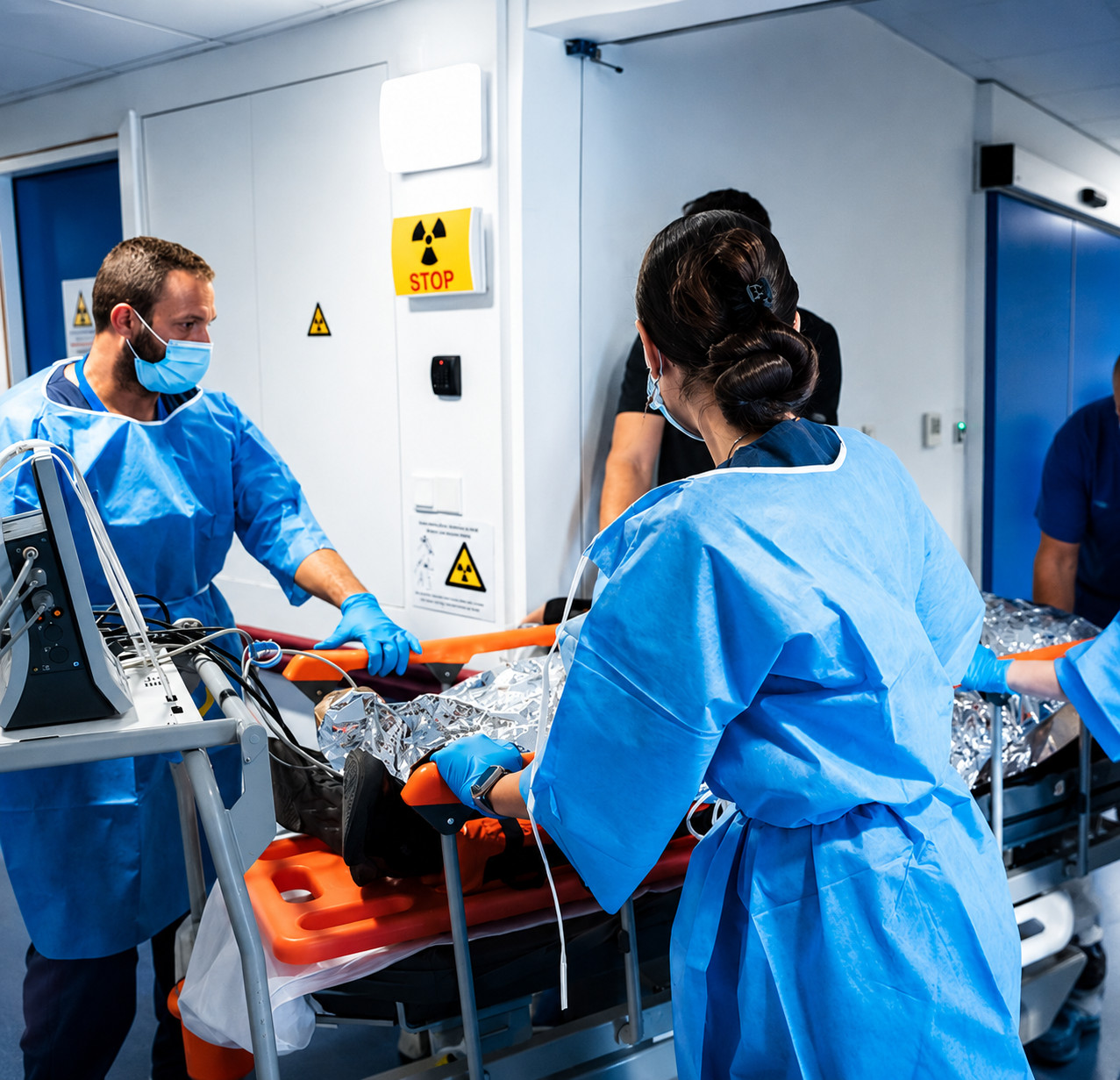
The goal of the Accident & Emergency Department (A&E) of Mediterranean Hospital of Cyprus is the rapid diagnosis, immediate therapeutic intervention, and safe management of every case, providing high-level emergency medical care with the patient and their needs at the centre of attention.

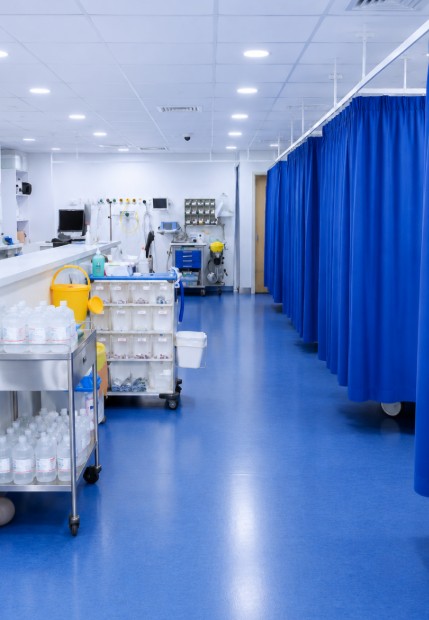
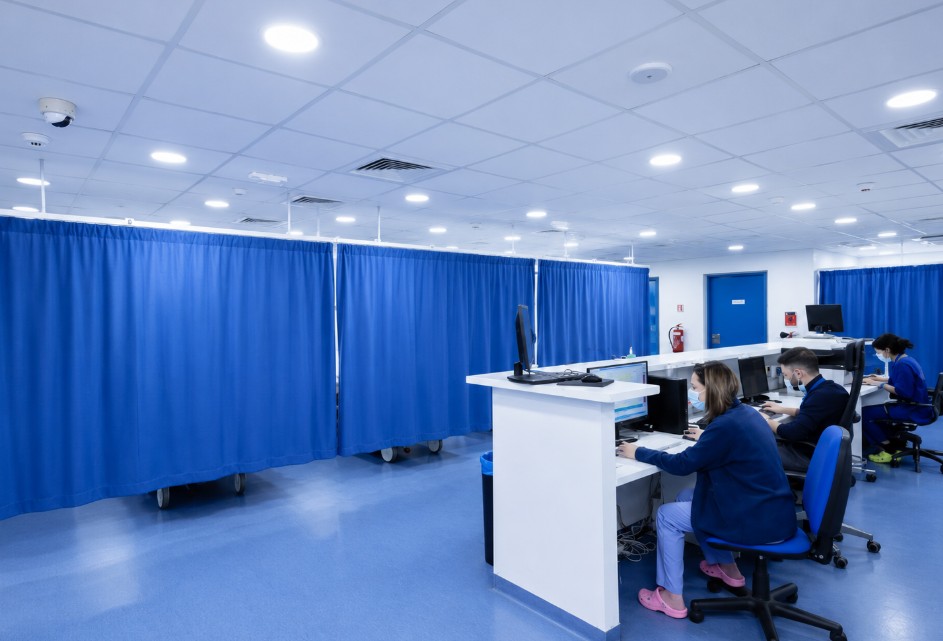
The Accident & Emergency Department (A&E) of Mediterranean Hospital of Cyprus is a modern, fully organised, and operationally upgraded emergency care unit, functioning 24 hours a day, 365 days a year, providing immediate, safe, and comprehensive management of emergency cases of all levels of severity.

The A&E Department is designed to effectively respond to:

  • Emergency medical cases
  • Multiple trauma incidents
  • Cardiac emergencies
  • Stroke cases
  • Paediatric emergencies
  • Surgical emergencies
  • Orthopaedic injuries
  • Respiratory and infectious conditions
  • Complex cases requiring immediate multidisciplinary intervention

The department’s spatial design, combined with its technologically advanced infrastructure and adequate staffing with specialised medical and nursing personnel, enables the immediate and effective management of all cases.

Every patient is promptly assessed at the Triage Area, where an initial evaluation of the severity of the condition is performed and treatment priority is determined according to international emergency medicine protocols.

Depending on the severity and specific needs of each case, patients receive immediate care from Specialist Physicians who are on duty within the hospital on a 24-hour basis.

Specifically, the A&E Department of Mediterranean Hospital of Cyprus is staffed with the physical presence of physicians from the following specialties throughout the entire 24-hour period every day:

  • Internist
  • Cardiologist
  • Paediatrician
  • General Surgeon
  • Orthopaedic Surgeon
  • Radiologist
  • Anaesthesiologist
  • Intensivist

At the same time, the A&E Department of Mediterranean Hospital of Cyprus is supported on a 24/7/365 basis by all medical specialties of the hospital through an organised system of active on-call and standby services.

The Department operates in full and immediate coordination with:

  • The Radiology Department
  • The Clinical Laboratory
  • The Intensive Care Unit (ICU)
  • The High Dependency Unit (HDU)
  • The Trauma Centre
  • The Stroke Unit
  • The Operating Theatres
  • All clinical and surgical services of the hospital

This ensures immediate access to specialised diagnostic and therapeutic support.

At Mediterranean Hospital of Cyprus, the A&E Department operates as a comprehensive emergency care system, where medical expertise, rapid response, and modern technology are combined with a primary focus on patient safety and the preservation of life.


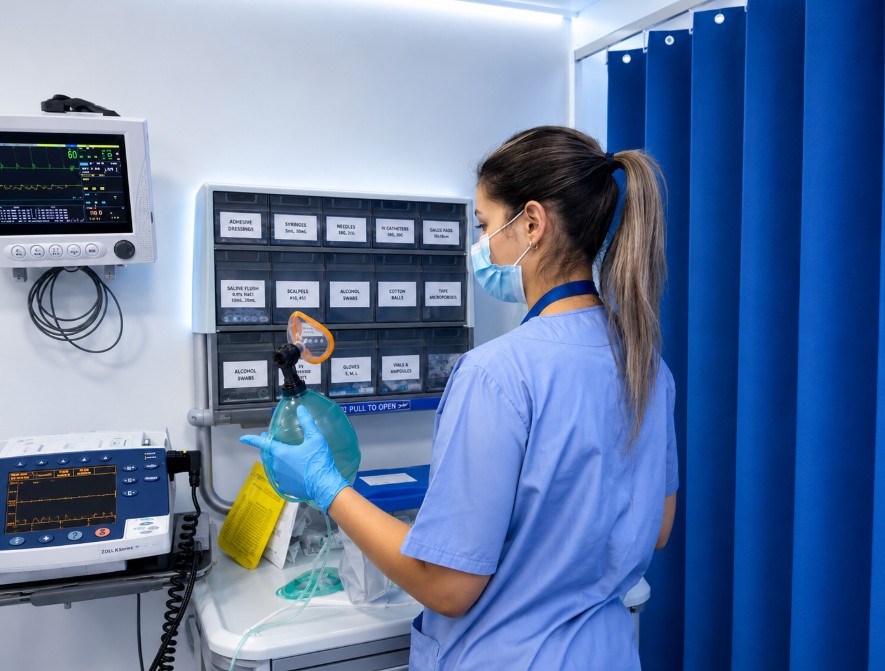
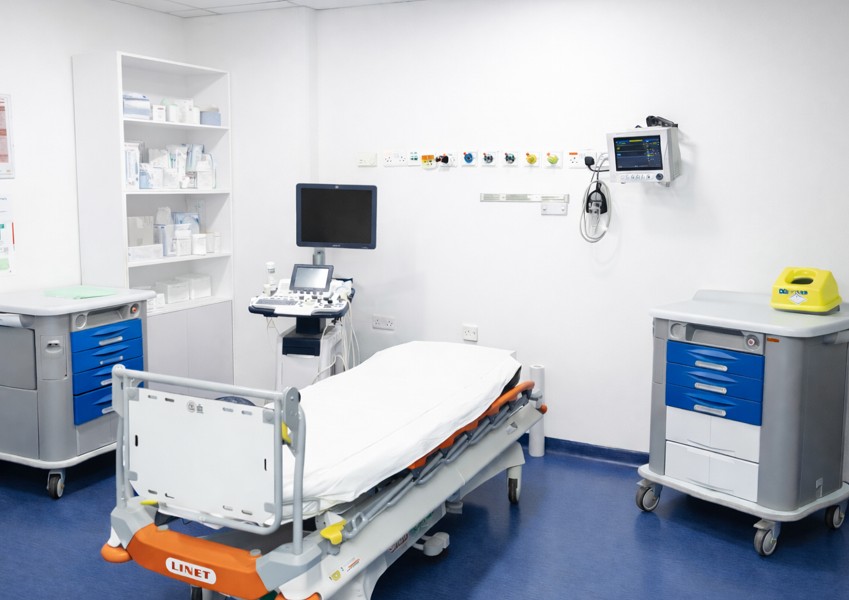
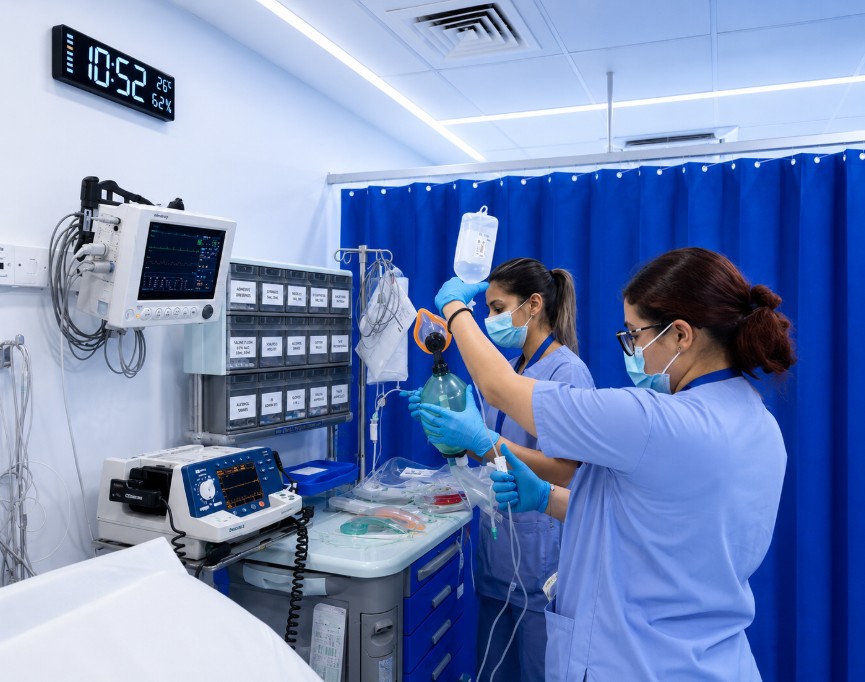
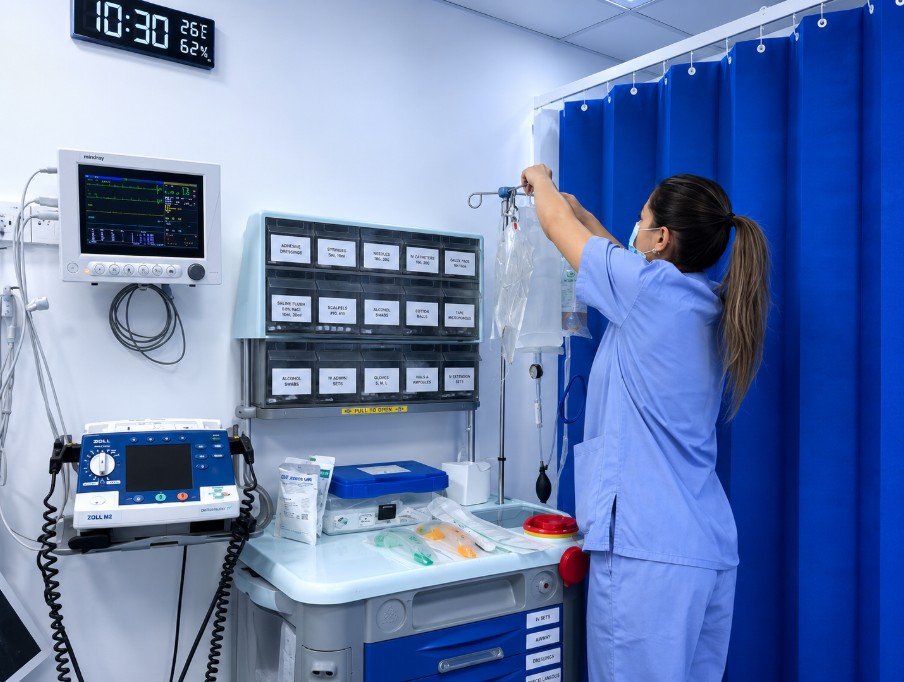
The Accident & Emergency Department is equipped with advanced facilities and state-of-the-art medical technology, enabling the immediate and effective management of even the most complex and critical cases.

The A&E Department includes:

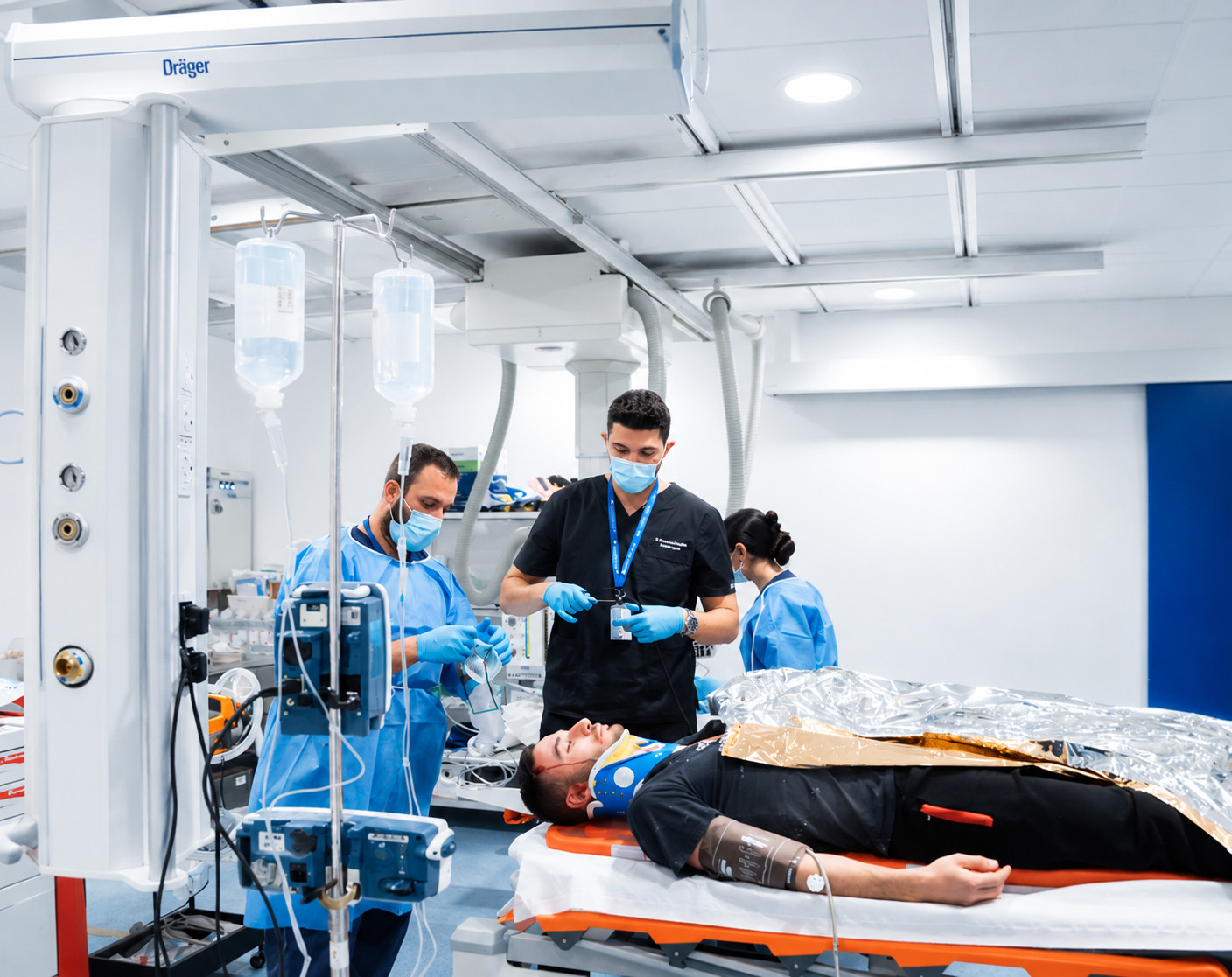
  • A fully equipped Trauma Room
  • Triage areas
  • Emergency treatment rooms
  • Advanced patient monitoring systems
  • Modern ventilators and respiratory support equipment
  • Resuscitation and emergency life support systems
  • Portable ultrasound systems
  • Major trauma management equipment
  • REBOA system
  • Full anaesthetic support
  • Immediate access to operating theatres and intensive care units

The Department is directly supported by:

  • 160-slice CT scanners
  • 1.5 Tesla MRI scanners
  • Digital radiology systems
  • Angiography systems
  • PACS & EMR systems
  • The Clinical Laboratory operating 24/7/365
  • Advanced telecommunications and digital health infrastructure

The advanced technological infrastructure enables:

  • Rapid diagnosis
  • Immediate decision-making regarding critical treatment interventions
  • Safe management of critically ill patients
  • Effective treatment of high-acuity emergency cases

The Accident & Emergency Department is staffed by specialised physicians and experienced nursing personnel trained in emergency and trauma medicine.

The medical team of the A&E Department works closely with:

  • Internists
  • Cardiologists
  • Paediatricians
  • General Surgeons
  • Orthopaedic Surgeons
  • Anaesthesiologists
  • Intensivists
  • Radiologists
  • Neurosurgeons
  • Vascular Surgeons

All medical specialties and specialised services of Mediterranean Hospital of Cyprus

This collaboration ensures a comprehensive and multidisciplinary approach to the management of every emergency case.

The specialised nursing staff has extensive experience in:

Emergency nursing care
Management of major trauma patients
Support of critically ill patients
Implementation of international emergency care protocols

The team’s continuous training, operational readiness, and utilisation of advanced technologies reaffirm Mediterranean Hospital of Cyprus’ commitment to providing high-level emergency medical services, with a focus on rapid response, patient safety, and the preservation of human life.

Patient Transfers to the Accident & Emergency Department of Mediterranean Hospital of Cyprus

Mediterranean Hospital of Cyprus accepts patient transfers 24 hours a day through the Ambulance Service, both from other healthcare facilities and from the community, ensuring immediate access to comprehensive secondary and tertiary healthcare services.

Services

A&E Services & Patient Care Process

The Accident & Emergency Department (A&E) of Mediterranean Hospital of Cyprus operates 24 hours a day, 365 days a year, providing immediate, safe, and comprehensive management of emergency cases of all levels of severity.

The A&E Department accepts patients who present:

  • On their own initiative
  • Following a referral from a physician
  • As well as patients transferred by ambulance through the Ambulance Service, either as part of an emergency or scheduled transfer.
Patient Registration

Upon arrival at the A&E Department, the patient’s basic details are recorded and the electronic medical record is initiated, ensuring the immediate and safe management of the case.

In cases involving critically ill or major trauma patients, the provision of medical care takes priority over the administrative registration process.

A&E Triage System – ESI System

After registration, the patient is assessed by a specialised Triage Nurse using the internationally recognised Emergency Severity Index (ESI) system.

The Accident & Emergency Department (A&E) of Mediterranean Hospital of Cyprus applies an organised Triage System, which is an internationally recognised practice for the safe, fair, and efficient management of patients presenting for emergency medical care.

The purpose of triage is not to treat patients according to the order of arrival, but rather to assess the severity of their clinical condition, ensuring that patients at the greatest risk to their life or health receive the necessary care immediately.

Upon arrival at the A&E Department, a specialised Triage Nurse performs the initial assessment, taking into consideration:

  • The patient’s main complaint or presenting symptom
  • Vital signs
  • Level of consciousness
  • Respiratory and cardiovascular status
  • Pain severity
  • Potential risk factors or underlying medical conditions
  • The possibility of immediate deterioration of the clinical condition

The assessment is performed based on the internationally recognised Emergency Severity Index (ESI) system, which categorises patients into priority levels according to the severity of their condition and the resources expected to be required for their management.

Following completion of the triage process, the patient is directed to the appropriate examination area and is assessed by the responsible physician or specialised medical team. In cases of critical or life-threatening conditions, emergency response protocols and the corresponding hospital teams are activated immediately.

The triage process is dynamic and continuous. Patients’ conditions are reassessed throughout their stay in the A&E Department to ensure that any change in their clinical status is identified promptly and that their priority level and care requirements are adjusted accordingly.

Through the implementation of the Triage System, Mediterranean Hospital of Cyprus ensures that every patient receives the care they need, at the appropriate time and from the appropriate medical team, with safety, quality, and respect for human life as the primary priorities.

Provision of Medical Services in the A&E Department

Depending on the outcome of the triage assessment, the patient is examined by the appropriate Specialist Physician and, where required, the Hospital’s supporting services are activated.

The services provided include:

  • Clinical examination and assessment
  • Laboratory investigations
  • Radiological and imaging examinations
  • Emergency therapeutic interventions
  • Management of injuries and fractures
  • Cardiology and neurological assessment
  • Emergency surgical evaluations
  • Resuscitation and support of vital functions
  • Immediate access to specialised medical teams of the Hospital

The A&E Department is supported 24 hours a day by:

  • The Radiology Department
  • The Clinical Laboratory
  • The Intensive Care Unit (ICU)
  • The Stroke Unit
  • The Trauma Centre
  • The Operating Theatres
  • All medical specialties of the Hospital.

Emergency Department Outcome – Case Disposition

Following completion of the medical assessment and treatment, the appropriate patient management pathway is determined, which may include:

  • Discharge with medical instructions and prescribed treatment
  • Referral to an outpatient clinic for further follow-up
  • Admission to an inpatient department
  • Admission to the High Dependency Unit (HDU) or Intensive Care Unit (ICU)
  • Immediate surgical intervention
  • Transfer to another specialised unit when required.
Collaboration with the Ambulance Service

Mediterranean Hospital of Cyprus maintains close and continuous collaboration with the Ambulance Service of the Republic of Cyprus, ensuring the safe, prompt, and effective transfer of patients requiring hospital care.

As part of this collaboration, the Hospital receives ambulance transfers of patients on a 24-hour basis:

  • From other public and private healthcare facilities
  • From Health Centres and medical centres
  • From private residences
  • As well as from the scene of an incident in emergency cases

Patient arrivals are carried out in full coordination with the Accident & Emergency Department (A&E), which remains in continuous operational readiness for the immediate reception, assessment, and management of every case.

The A&E Department of Mediterranean Hospital is supported by all medical specialties of the Hospital, the Radiology Department, the Clinical Laboratory, the Intensive Care Unit (ICU), the Stroke Unit, the Trauma Centre, and surgical services, ensuring rapid access for patients to specialised medical care.

The organised collaboration with the Ambulance Service constitutes an essential part of the operational readiness of Mediterranean Hospital of Cyprus and plays a crucial role in ensuring continuity of care, patient safety, and immediate response to emergency and complex medical situations.

FAQ

When Should I Visit the A&E Department?

The A&E Department is intended for patients experiencing an acute medical condition or injury requiring immediate medical assessment and treatment. Examples include chest pain, shortness of breath, symptoms of stroke, severe injuries, fractures, bleeding, and severe abdominal pain.

Does the A&E Department operate 24 hours a day?

Yes. The Accident & Emergency Department of Mediterranean Hospital of Cyprus operates 24 hours a day, 365 days a year.

Do I need to make an appointment to be examined?

No. The A&E Department provides care to all patients without the need for a prior appointment.

Does the A&E Department accept patients transferred by ambulance?

Yes. The A&E Department accepts patients transferred through the Ambulance Service from residences, public places, workplaces, other hospitals, or healthcare centres.

How is the order of patient care determined?

Patient care is not provided based on the order of arrival, but according to the medical urgency and severity of each case. All patients are assessed through the Triage System and prioritised according to the internationally recognised ESI (Emergency Severity Index) system.

What is Triage?

The Triage Area is the process of the initial assessment of every patient by a specialised nurse, with the aim of determining the priority of treatment according to the severity of the patient’s condition.

What is the ESI System?

The Emergency Severity Index (ESI) is an internationally recognised triage system used in A&E Departments to assess the severity of a patient’s condition and determine the priority for medical evaluation and treatment.

Which medical specialties support the A&E Department of Mediterranean Hospital of Cyprus?

The A&E Department is supported 24 hours a day by:

  • Internal Medicine Physician
  • Cardiologist
  • Paediatrician
  • General Surgeon
  • Orthopaedic Surgeon
  • Radiologist
  • Anaesthesiologist
  • Intensivist

In addition, there is immediate access to all other medical specialties of the Hospital through an organised on-call system.

Are immediate laboratory tests and radiological examinations available?

Yes. Both the Clinical Laboratory and the Radiology Department of the Hospital operate 24 hours a day and provide immediate support for all emergency cases.

The Radiology Department operates on a 24-hour basis and provides:

  • X-rays
  • Ultrasound examinations
  • Computed Tomography (CT) scans
  • Magnetic Resonance Imaging (MRI) scans, where required.
What happens if I need to be admitted to the Hospital?

If, after the medical assessment and treatment, hospitalisation is deemed necessary, admission will be arranged immediately to the appropriate inpatient department or specialised unit of the Hospital.

Can the A&E Department manage serious injuries?

Yes. The Hospital has an organised Trauma Centre, Trauma Room, Hybrid Operating Theatres, Intensive Care Unit, and specialised surgical teams for the management of severe injuries and major trauma patients.

Can the A&E Department manage stroke cases?

Yes. The Hospital has a specialised Stroke Unit and an organised stroke management team, working in collaboration with the Neurology Department, the Radiology Department, and the other supporting services.

Can the A&E Department manage emergency cardiac cases?

Yes. The A&E Department is supported by a Cardiologist on active on-call duty, a Non-Invasive Cardiology Laboratory, and an Interventional Cardiology Department for the immediate management of acute cardiac emergencies.

What should I bring with me when visiting the A&E Department?

It is useful to bring with you:

  • Identity Card or Passport
  • GESY Card (if available)
  • A list of the medications you are taking
  • Recent medical tests or medical reports related to your condition

In emergency situations, medical care is provided before any administrative procedures are completed.

Department Doctors

General Practice

General Practice

General Practice

General Practice

General Medicine

General Practice

General Practice

General Practice

General Practice

General Practice