



Services & Departments

Cardiothoracic Surgery

Email: info@medihospital.com.cy

Telephone:

The Cardiothoracic Surgery Department of Mediterranean Hospital of Cyprus is a modern and highly specialised surgical unit, providing comprehensive services for the diagnosis, surgical treatment, and postoperative care of conditions affecting the heart, thorax, and major blood vessels.

The department covers the full spectrum of modern Cardiothoracic Surgery, providing services on both a scheduled and emergency basis, with continuous operational readiness for the management of complex and high-risk cases.

The Cardiothoracic Surgery Department manages:

  • Coronary artery disease and coronary artery bypass grafting (CABG)
  • Valve surgery
  • Diseases of the aorta and major blood vessels
  • Emergency cardiac surgical cases
  • Thoracic surgical procedures
  • Diseases of the lungs and pleura
  • Mediastinal surgery
  • As well as minimally invasive and endoscopic cardiothoracic surgical techniques

Particular emphasis is placed on minimally invasive techniques and endoscopic cardiac surgery through small incisions, which contribute to:

  • Reduction of surgical trauma
  • Lower blood loss
  • Reduction of postoperative pain
  • Faster patient mobilisation and recovery
  • As well as a quicker return to daily activities

The department operates in close and direct collaboration with the Hospital’s Cardiology Department, ensuring comprehensive cardiological and cardiac surgical management through multidisciplinary evaluation and joint treatment planning for each patient.

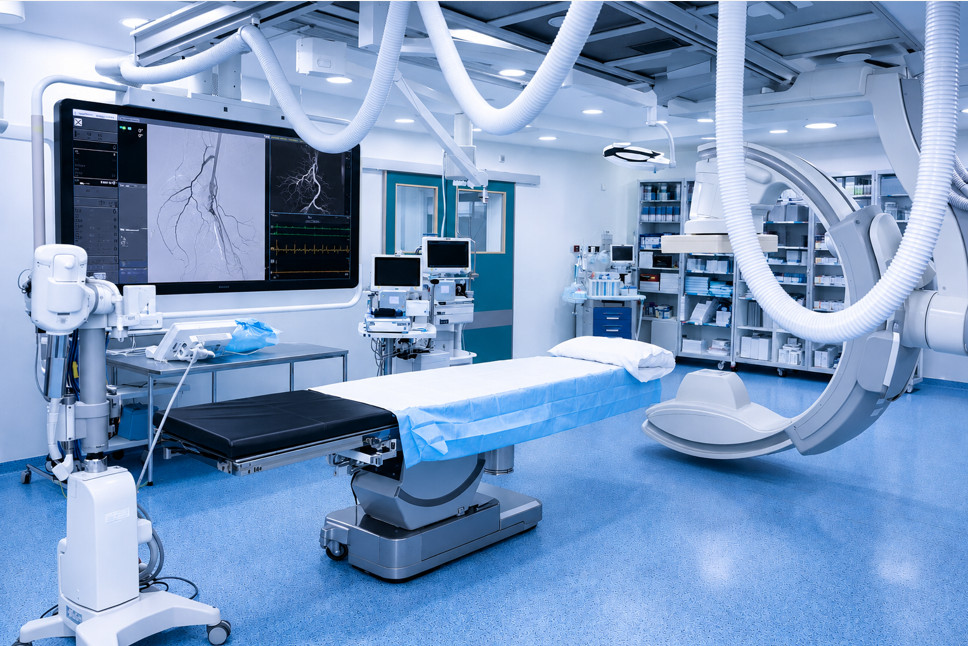
The connection with the Intensive Care Unit, Hybrid Operating Theatres, Radiology Department, and Accident & Emergency Department enables the safe and effective management of even the most demanding cardiothoracic surgical cases.


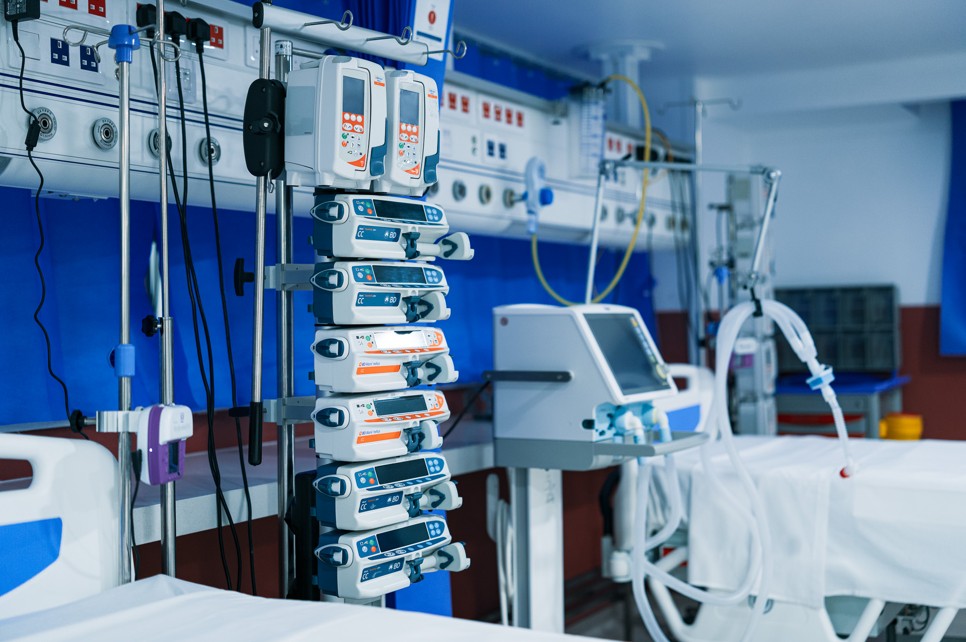
The Cardiothoracic Surgery Department of Mediterranean Hospital of Cyprus is supported by state-of-the-art surgical infrastructure and advanced medical technology equipment of the latest generation.

The department features:

  • Modern Operating Theatres and Hybrid Operating Theatres
  • Angiography / Cardiac Catheterisation Systems
  • Advanced intraoperative imaging systems
  • Minimally invasive and endoscopic cardiac surgery equipment
  • Modern anaesthesia and monitoring systems
  • ECMO extracorporeal support systems
  • Advanced ICU Ventilators
  • Continuous Renal Replacement Therapy (CRRT) systems
  • A fully organised Intensive Care Unit
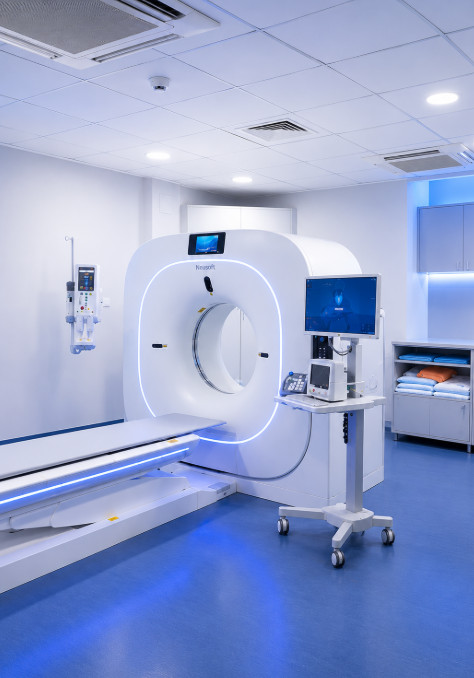
  • As well as direct access to CT, MRI, and advanced imaging facilities

The advanced technological infrastructure enables the performance of complex cardiac and thoracic surgical procedures with high precision, increased safety, and improved clinical outcomes.

The Cardiothoracic Surgery Department is staffed by specialised Cardiac Surgeons and Thoracic Surgeons with experience across the full spectrum of modern cardiothoracic surgery, as well as specialised nursing and technical personnel with expertise in the management of complex surgical cases.

The department’s team works closely with:

  • Cardiologists
  • Anaesthesiologists
  • Intensivists
  • Interventional Cardiologists
  • Radiologists
  • Pulmonologists
  • As well as the other specialised services of the hospital ensuring a comprehensive and multidisciplinary approach to the care of every patient.

The continuous education of the medical and nursing teams, the implementation of modern international protocols, and the utilisation of advanced technology confirm Mediterranean Hospital of Cyprus’s commitment to providing high-level Cardiothoracic Surgery services, with a focus on patient safety, innovation, and optimal clinical outcomes.

Services

Modern Cardiac Surgery Science

Cardiac surgery is a specialised branch of surgery that focuses on the treatment of diseases of the heart and major blood vessels.

The main categories of procedures include:

  • Coronary revascularisation (Bypass)
  • Valve surgery
  • Aortic procedures
  • Management of congenital heart disease in adults
  • Heart failure surgery
  • Minimally invasive cardiac surgery techniques

The goal of every procedure is:

  • Restoration of normal cardiac function
  • Improvement of haemodynamic performance
  • Extension of survival
  • Improvement of quality of life
Minimally Invasive Cardiac Surgery

Minimally invasive cardiac surgery is one of the most significant developments in modern cardiac surgery.

What does it include?

Procedures are performed through:

  • Small surgical incisions
  • Endoscopic techniques
  • Specialised high-precision surgical instruments

In many cases, the traditional opening of the sternum (sternotomy) is avoided, significantly reducing surgical stress.

Advantages of Minimally Invasive Techniques

Clinical benefits:

  • Smaller surgical trauma
  • Reduced blood loss
  • Reduced postoperative pain
  • Lower risk of infections
  • Faster patient mobilisation

Functional benefits:

  • Shorter hospital stay
  • Faster recovery
  • Quicker return to daily activities
  • Improved cosmetic outcome
Surgical Treatment of Coronary Artery Disease

Coronary artery disease is one of the most common cardiovascular diseases worldwide.

What is coronary artery bypass grafting (CABG)?

Bypass surgery restores blood supply to the myocardium by creating new pathways for blood flow around narrowed or blocked coronary arteries.

Objectives of the procedure:

  • Reduction of myocardial ischaemia
  • Relief from angina
  • Prevention of myocardial infarction
  • Improvement of cardiac function
Valve Surgery

Valve diseases affect the normal flow of blood through the heart.

Most common conditions:

  • Aortic valve stenosis
  • Mitral valve regurgitation
  • Tricuspid valve diseases

Surgical treatment includes:

  • Valve repair
  • Valve replacement
  • Minimally invasive repair techniques

The selection of the appropriate treatment is individualised according to:

  • The patient’s age
  • The severity of the disease
  • The overall cardiac condition
Patient Safety and Perioperative Care

Patient safety is a fundamental priority of the Cardiac Surgery Department.

Modern perioperative management includes:

  • Detailed preoperative assessment
  • Advanced anaesthetic monitoring
  • Continuous haemodynamic monitoring
  • Specialised postoperative care
  • Intensive cardiac monitoring

The holistic approach reduces:

  • Complications
  • Recovery time
  • The risk of readmission
Multidisciplinary Cardiac Surgery Team

The success of a cardiac surgery procedure is based on the close collaboration of specialised healthcare professionals.

The team includes:

  • Cardiac Surgeons
  • Cardiologists
  • Anaesthesiologists
  • Intensivists
  • Specialised nurses
  • Physiotherapists
  • Cardiac surgery technologists

The multidisciplinary collaboration ensures:

  • Individualised treatment
  • Excellent surgical planning
  • Optimal postoperative recover
Clinical Excellence and Innovation

The Cardiac Surgery Department of Mediterranean Hospital of Cyprus combines:

  • High scientific expertise
  • Advanced technology
  • Innovative surgical techniques
  • Patient-centred care

With a focus on patient safety, precision, and long-term quality of life, the department continues to evolve dynamically, offering advanced cardiac surgical solutions of the highest standards, in accordance with the strictest international standards of medical excellence.

FAQ

How long does recovery take after cardiac surgery?

The duration of recovery depends on:

  • The type of procedure
  • The patient’s general health condition
  • The patient’s age
  • The surgical technique used

Minimally invasive techniques usually allow faster recovery.

What is the goal of modern cardiac surgery?

Achieving excellent long-term outcomes with the lowest possible surgical burden and maximum patient safety.

Are minimally invasive procedures safe?

Yes. When performed in appropriately selected patients, minimally invasive procedures are safe and offer excellent clinical outcomes, with reduced surgical trauma, faster recovery, and improved patient comfort.

Department Doctors

Cardiac Surgery, Thoracic Surgery