



Services & Departments

Interventional Radiology

Email: info@medihospital.com.cy

Telephone:

Minimally Invasive Treatments with Maximum Precision

The Interventional Radiology Department at Mediterranean Hospital of Cyprus is a specialised centre for advanced minimally invasive treatments, combining state-of-the-art imaging technology with highly specialised medical expertise to diagnose and treat a wide range of conditions.

Interventional Radiology is one of the fastest-growing specialties in modern medicine, offering effective treatment options without the need for major surgery. These image-guided procedures are associated with a lower risk of complications, reduced pain, shorter hospital stays, and a faster return to normal daily activities.

The department provides highly specialised services in close collaboration with the Vascular Surgery Department, General Surgery Department, Oncology Department, Neurology Department, Neurosurgery Department, Orthopaedic Department, the Hybrid Trauma and Resuscitation Centre, and the Accident & Emergency Department at Mediterranean Hospital of Cyprus.

  • Our services include:
  • Diagnostic and therapeutic angiography
  • Angioplasty and stent placement
  • Embolisation for the control of haemorrhage
  • Embolisation of aneurysms and vascular malformations
  • Tumour embolisation and interventional oncology procedures
  • Image-guided percutaneous biopsies
  • Image-guided drainage of abscesses and fluid collections
  • Placement of central venous catheters and implantable venous access devices
  • Percutaneous nephrostomy and biliary drainage procedures
  • Treatment of peripheral arterial disease
  • Interventional treatment of venous disorders
  • Endovascular management of traumatic haemorrhage
  • Support for specialised interventional neuroradiology procedures

The Interventional Radiology Department operates 24 hours a day, 365 days a year, working seamlessly with the hospital’s multidisciplinary teams to provide immediate treatment for critically ill and severely injured patients, where every minute is vital to survival.


Το Τμήμα Επεμβατικής Ακτινολογίας του Mediterranean Hospital of Cyprus υποστηρίζεται από προηγμένες απεικονιστικές και επεμβατικές υποδομές διεθνών προδιαγραφών.

Ο διαθέσιμος εξοπλισμός περιλαμβάνει:

  • Ψηφιακούς Αγγειογράφους τελευταίας γενιάς
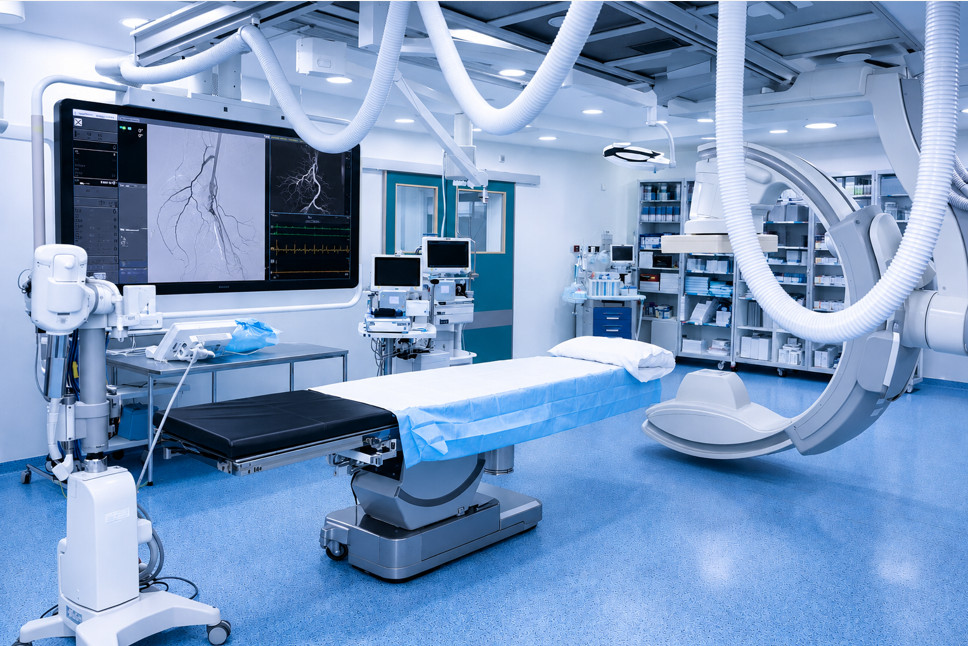
  • Υβριδικά Χειρουργεία (Hybrid Operating Rooms)
  • Συστήματα Digital Subtraction Angiography (DSA)
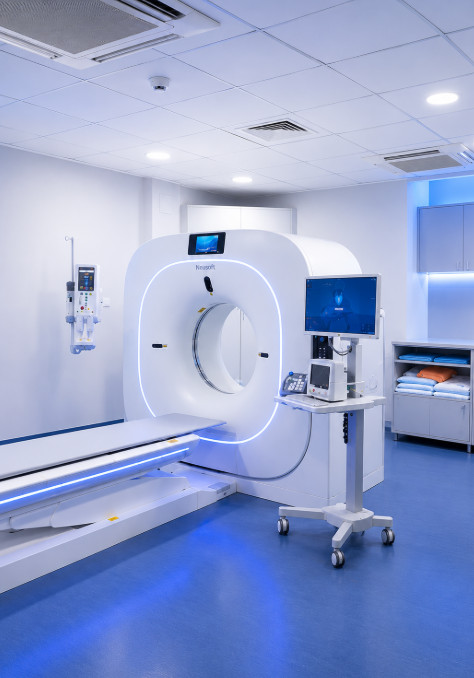
  • Πολυτομικούς Αξονικούς Τομογράφους (CT)
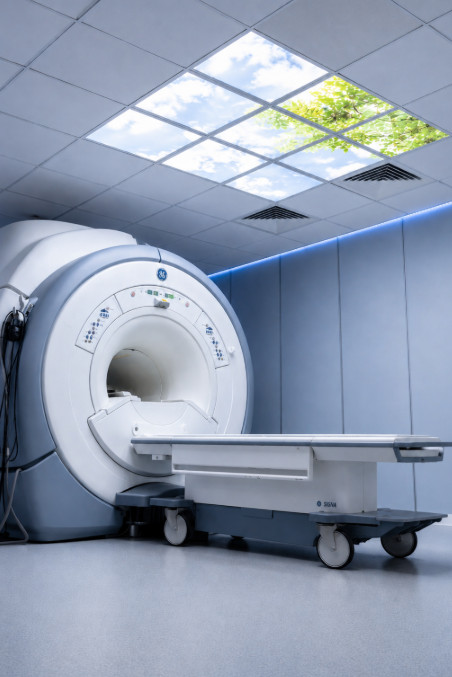
  • Μαγνητικούς Τομογράφους (MRI)
  • Υπερηχογραφικά συστήματα υψηλής ευκρίνειας
  • Ψηφιακή Ακτινοσκόπηση
  • Συστήματα τρισδιάστατης αγγειακής απεικόνισης
  • Σύγχρονα συστήματα καθοδήγησης επεμβάσεων
  • Σύστημα P.A.C.S. και προηγμένα πληροφοριακά συστήματα απεικόνισης
  • Ηλεκτρονικό Ιατρικό Φάκελο (EMR)
  • Πλήρη αναισθησιολογική υποστήριξη και υποστήριξη από τον Μονάδα Εντατικής Θεραπείας του Νοσοκομείου.

Η ύπαρξη Υβριδικών Χειρουργείων και προηγμένων Αγγειογραφικών Συστημάτων επιτρέπει την πραγματοποίηση σύνθετων επεμβάσεων με απόλυτη ακρίβεια και ασφάλεια, ακόμη και σε ασθενείς υψηλού κινδύνου.


The Interventional Radiology Department at Mediterranean Hospital of Cyprus is supported by advanced imaging and interventional technologies that meet the highest international standards.

Our state-of-the-art facilities include:

  • Latest-generation digital angiography systems
  • Hybrid Operating Theatres
  • Digital Subtraction Angiography (DSA) systems
  • Multidetector Computed Tomography (CT) scanners
  • Magnetic Resonance Imaging (MRI) systems
  • High-resolution ultrasound systems
  • Digital fluoroscopy
  • Three-dimensional vascular imaging systems
  • Advanced image-guided intervention systems
  • Picture Archiving and Communication System (PACS)
  • Electronic Medical Record (EMR)
  • Comprehensive anaesthetic support and immediate access to the hospital’s Intensive Care Unit (ICU)

The availability of Hybrid Operating Theatres and advanced angiography systems enables the safe and precise performance of highly complex minimally invasive procedures, including interventions for high-risk patients, while supporting optimal clinical outcomes.

Services

Interventional Radiology Services

The Interventional Radiology Department at Mediterranean Hospital of Cyprus provides a comprehensive range of specialised diagnostic and therapeutic procedures, using advanced image-guided techniques to deliver safe, precise, and effective treatment for a wide variety of complex conditions.

Procedures are performed under ultrasound, Computed Tomography (CT), and angiographic guidance, enabling minimally invasive access to internal organs and blood vessels through tiny skin incisions. This approach reduces pain, shortens hospital stays, minimises the risk of complications, and supports a faster recovery and return to everyday life.

The department serves as a tertiary referral centre, managing complex cases referred not only from the clinical departments of Mediterranean Hospital of Cyprus, but also from public and private hospitals throughout Cyprus.

Vascular Interventions

The specialists of the Interventional Radiology Department perform advanced endovascular procedures for the diagnosis and treatment of disorders affecting the arterial and venous systems, including:

  • Diagnostic angiography
  • Peripheral angioplasty
  • Endovascular stent placement
  • Treatment of arterial and venous stenoses and occlusions
  • Endovascular repair of aneurysms
  • Carotid and supra-aortic vessel interventions
  • Placement of inferior vena cava (IVC) filters
Interventional Oncology

Working in close collaboration with the Cancer Centre and the Medical Oncology Department, the Interventional Radiology Department provides specialised minimally invasive treatments for patients with both malignant and benign tumours, including:

  • Image-guided percutaneous tumour biopsies
  • Image-guided tumour ablation
  • Image-guided drainage of abscesses and fluid collections
  • Interventional palliative procedures for patients with cancer
  • Placement of Port-a-Cath implantable venous access devices for chemotherapy
Hepatobiliary Interventions


The Interventional Radiology Department has extensive experience in the minimally invasive treatment of liver and biliary disorders, offering advanced image-guided procedures, including:

  • Percutaneous biliary drainage
  • Biliary stent placement
  • Image-guided liver biopsies
  • Image-guided drainage of hepatic abscesses and fluid collections
  • Image-guided local ablative therapies for liver tumours


Renal and Urological Interventions

The Interventional Radiology Department provides a range of specialised minimally invasive procedures for the diagnosis and treatment of genitourinary disorders, including:

  • Percutaneous nephrostomy
  • Ureteric stent and catheter placement
  • Image-guided drainage of urinary collections
  • Image-guided renal biopsies
Image-Guided Biopsies and Diagnostic Procedures

The Interventional Radiology Department performs a wide range of highly accurate image-guided diagnostic procedures, including:

  • Image-guided lung biopsies
  • Image-guided liver biopsies
  • Image-guided renal biopsies
  • Image-guided lymph node biopsies
  • Image-guided bone and soft tissue biopsies
  • Image-guided thyroid and other endocrine gland biopsies
Drainage Procedures and Supportive Interventions

The Interventional Radiology Department provides a comprehensive range of image-guided minimally invasive procedures for the management of complex clinical conditions, including:

  • Image-guided abscess drainage
  • Image-guided pleural fluid drainage
  • Image-guided abdominal fluid drainage
  • Image-guided gastrostomy tube placement
  • Placement of central venous catheters
Collaboration with Clinical Departments

The Interventional Radiology Department works in close collaboration with the:

  • Medical Oncology Department
  • Vascular Surgery Department
  • Cardiology Department
  • Neurology Department and Stroke Unit
  • Neurosurgery Department
  • General Surgery Department
  • Urology Department
  • Nephrology Department
  • Intensive Care Unit (ICU)
  • Accident and Emergency Department (A&E)

This multidisciplinary approach enables the Department to provide essential image-guided diagnostic and therapeutic solutions for the management of complex clinical cases.

Minimally Invasive Medicine with Maximum Patient Benefit

The Interventional Radiology Department at Mediterranean Hospital of Cyprus is committed to delivering advanced, minimally invasive treatments that minimise the physical impact on patients. By combining state-of-the-art technology with the specialised expertise of our interventional radiologists, we provide safe, effective and personalised treatment solutions that can often replace—or significantly reduce the need for—traditional surgical procedures.

FAQ

What Is Interventional Radiology?

Interventional Radiology is a modern medical specialty that uses advanced imaging technologies—including ultrasound, computed tomography (CT) and angiography—to perform therapeutic procedures without the need for major surgical incisions. Most procedures are carried out through tiny skin punctures, offering greater safety, less pain, shorter hospital stays and faster recovery.

What Conditions Can Be Treated with Interventional Radiology?

Interventional Radiology is used to treat a wide range of conditions, including vascular disease, bleeding, aneurysms, peripheral arterial disease, selected cancers, abscesses, fluid collections, vascular stenoses, and many other disorders that traditionally required open surgery.

Are Interventional Radiology Procedures Safe?

Yes. Most interventional radiology procedures are performed under continuous image guidance, enabling exceptional precision while minimising the risk of complications. As with any medical procedure, there is always a degree of risk; however, this is carefully assessed and discussed with each patient before treatment to ensure they are fully informed.

Is General Anaesthesia Required?

In most cases, no. Many interventional radiology procedures are performed under local anaesthesia with conscious sedation. For more complex procedures, general anaesthesia may be required, always with the support of the Hospital's Anaesthesiology Team.

What Is Angiography?

Angiography is a specialised imaging procedure that visualises blood vessels using contrast media and advanced angiographic systems. It is used for both diagnostic assessment and image-guided therapeutic interventions, enabling the accurate diagnosis and minimally invasive treatment of a wide range of vascular conditions.

What Is Angioplasty?

Angioplasty is a minimally invasive procedure used to open narrowed or blocked arteries and restore normal blood flow. In selected cases, a specialised vascular stent is also placed to help keep the artery open and maintain long-term blood flow.

What Is Embolisation?

Embolisation is a minimally invasive procedure in which the Interventional Radiologist selectively blocks specific blood vessels to control bleeding, treat vascular malformations, or reduce the blood supply to certain tumours. It is performed using specialised embolic agents delivered precisely under image guidance, allowing targeted treatment while preserving the surrounding healthy tissues.

Can Interventional Radiology Help in Emergency Situations?

Yes. Interventional Radiology plays a vital role in the management of emergency cases, particularly in patients with severe haemorrhage, major trauma and acute vascular emergencies. Working in close collaboration with the Hospital's Hybrid Trauma and Resuscitation Centre and the Accident and Emergency Department (A&E), the Interventional Radiology team provides rapid, life-saving image-guided treatments when every minute counts.

Can Interventional Radiology Be Used to Treat Cancer?

Yes. Interventional Radiology plays an important role in the diagnosis and treatment of selected cancers. Image-guided procedures such as tumour biopsies, tumour embolisation and other targeted minimally invasive therapies enable highly precise treatment while often reducing the need for more invasive surgical procedures. Working closely with the Cancer Centre and the Medical Oncology Department, the Interventional Radiology team provides personalised treatment as part of a multidisciplinary approach to cancer care.

How Long Will I Need to Stay in Hospital?

This depends on the type and complexity of the procedure. Many interventional radiology procedures are performed as day cases, allowing patients to return home on the same day. More complex procedures may require an overnight stay or admission for one or more days to ensure appropriate monitoring and recovery.

Does Mediterranean Hospital of Cyprus Have Advanced Interventional Radiology Facilities?

Yes. Mediterranean Hospital of Cyprus is equipped with state-of-the-art technology to support the safe and precise performance of even the most complex interventional radiology procedures. Our advanced infrastructure includes Hybrid Operating Theatres, Digital Subtraction Angiography (DSA) systems, Computed Tomography (CT), Magnetic Resonance Imaging (MRI), advanced digital vascular imaging technology, as well as comprehensive anaesthetic support and immediate access to the Intensive Care Unit (ICU). This integrated environment enables our specialists to deliver highly specialised, image-guided treatments that meet the highest international standards of safety and clinical excellence.

How Can I Book an Appointment or Find Out More About an Interventional Radiology Procedure?

You can contact the Interventional Radiology Department or the Patient Services Centre at Mediterranean Hospital of Cyprus to arrange a consultation with one of our specialist interventional radiologists. Following a comprehensive clinical assessment, we will discuss the most appropriate minimally invasive treatment options tailored to your individual condition and healthcare needs.