



Services & Departments

Gastroenterology

Email: info@medihospital.com.cy

Telephone:

The Gastroenterology Department of Mediterranean Hospital of Cyprus is a modern and fully organised unit for the diagnosis, treatment, and monitoring of diseases of the digestive system, providing comprehensive, high-level services to both outpatient and hospitalised patients.

The Department can be described as an Advanced Gastroenterology & Endoscopy Center, with particular emphasis on highly specialised services such as ERCP, EUS, polypectomies, and oncological gastroenterology, which distinguish a tertiary hospital from a standard endoscopy centre.

The Department covers the full spectrum of Gastroenterology and Hepatology, specialising in the investigation and management of conditions affecting:

  • The oesophagus
  • The stomach
  • The small and large intestine
  • The liver
  • The biliary system
  • The pancreas

The Gastroenterology Department operates daily outpatient clinics and specialised endoscopy units, providing:

  • Preventive and diagnostic screening
  • Endoscopic examinations and therapeutic procedures
  • Monitoring of chronic gastrointestinal diseases
  • Management of emergency digestive system conditions

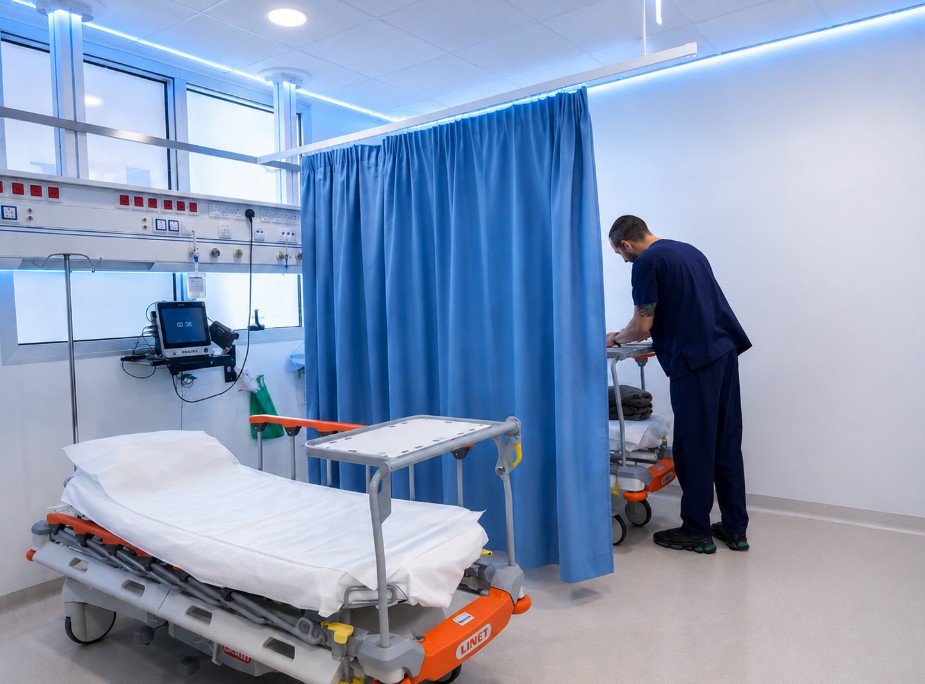
In addition, the Department provides 24-hour support to the Accident & Emergency Department (A&E) and the hospital’s inpatient units, ensuring immediate response to urgent gastroenterological cases, including:

  • Gastrointestinal bleeding
  • Acute abdominal syndromes
  • Obstructions
  • Digestive system infections
  • Other emergency conditions requiring specialised endoscopic or interventional management

The Department’s operation is based on close collaboration with the Radiology Department, Surgical Departments, Intensive Care Unit (ICU), Day Care Unit, and other specialised services of the Hospital, ensuring a comprehensive and multidisciplinary approach to patient care.


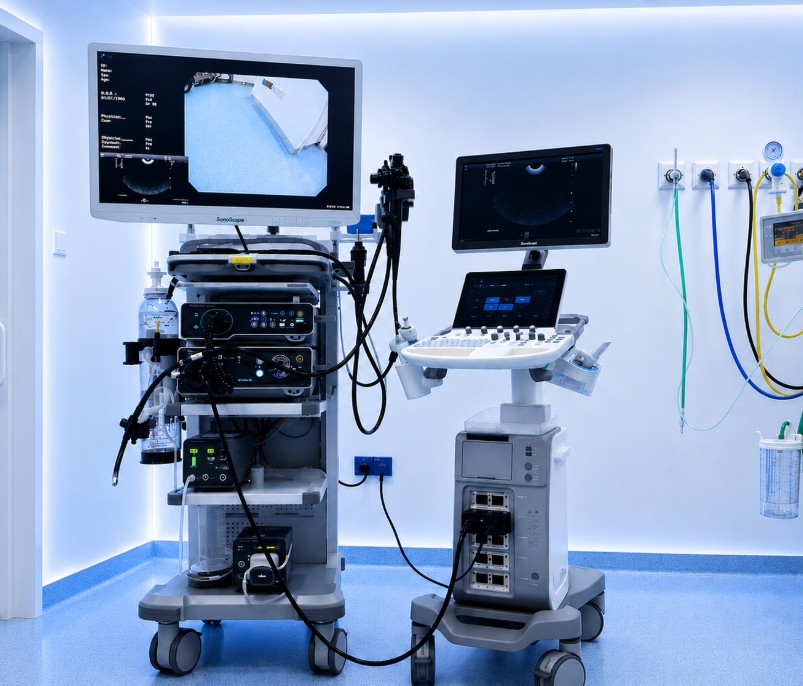
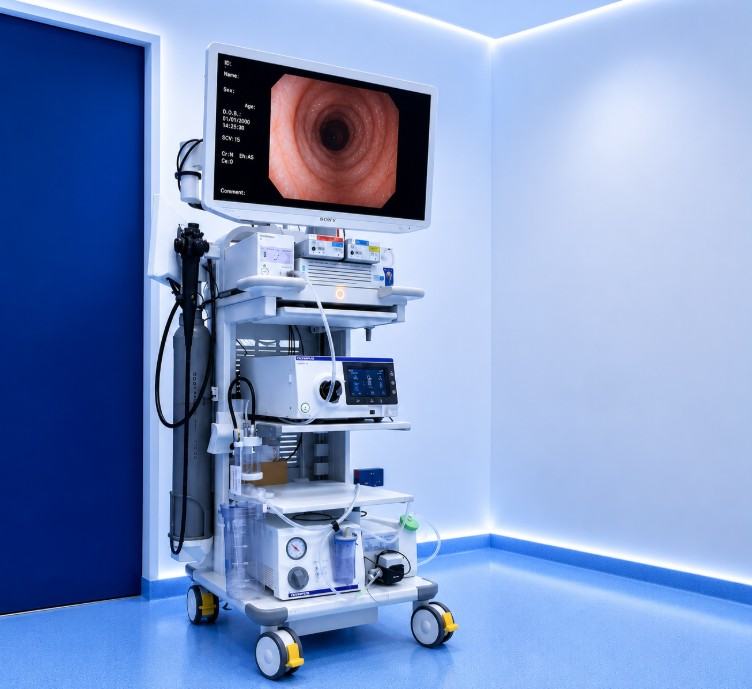
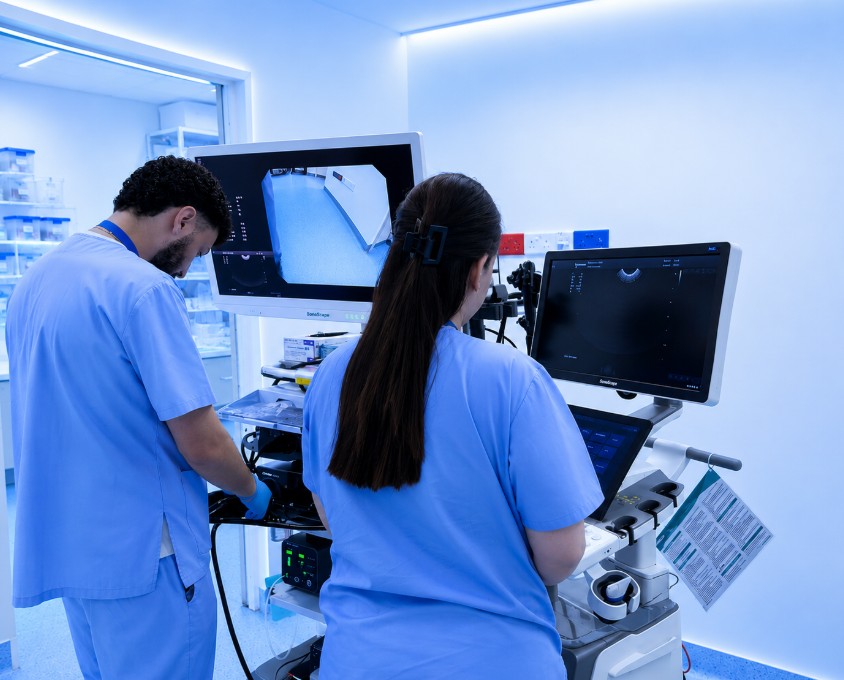
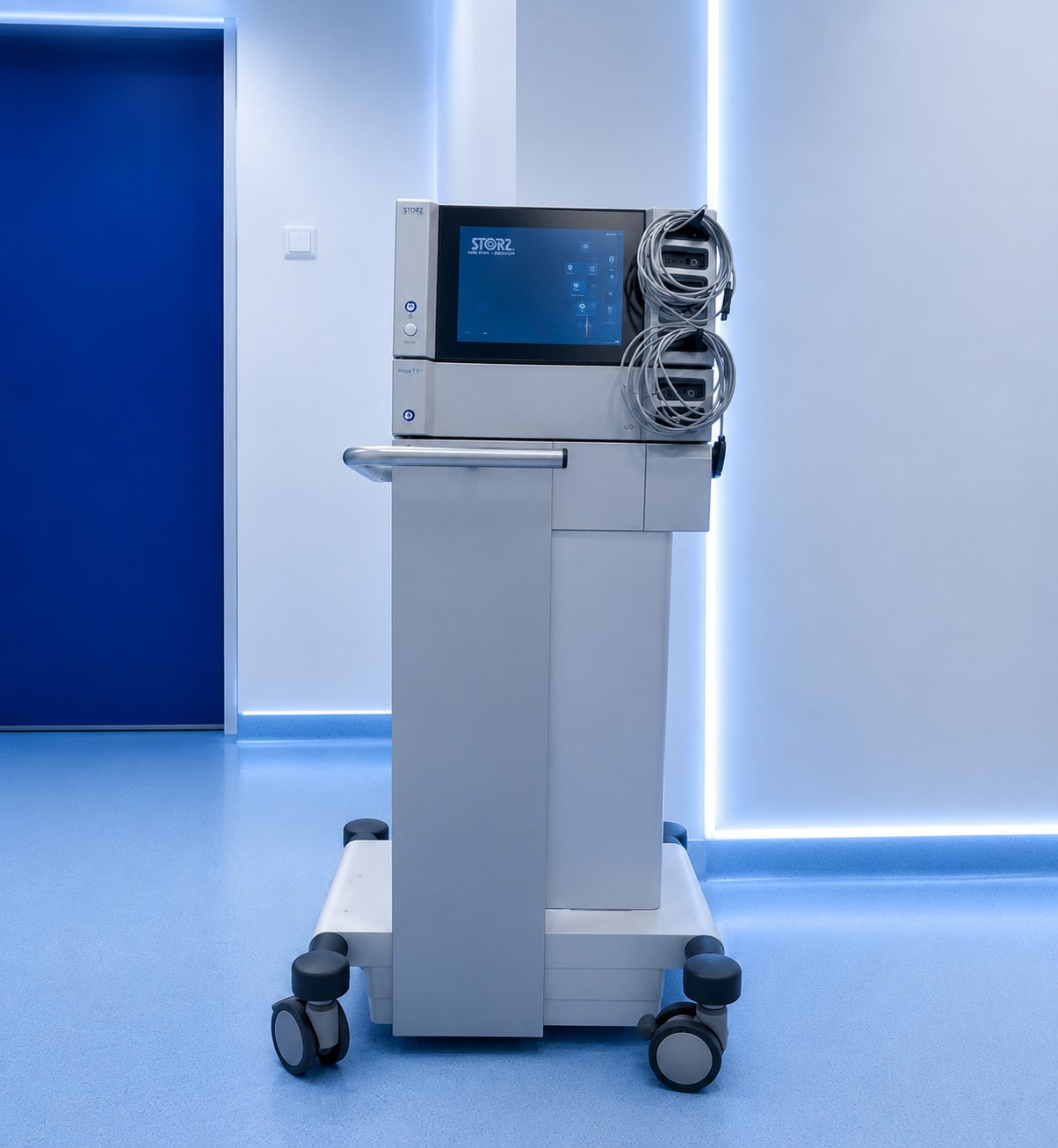
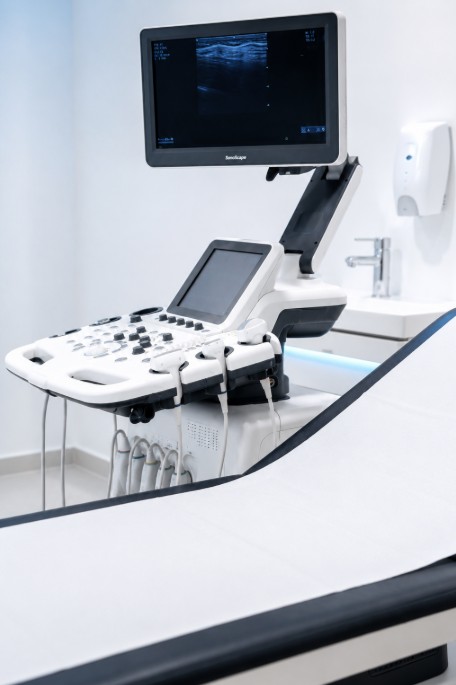
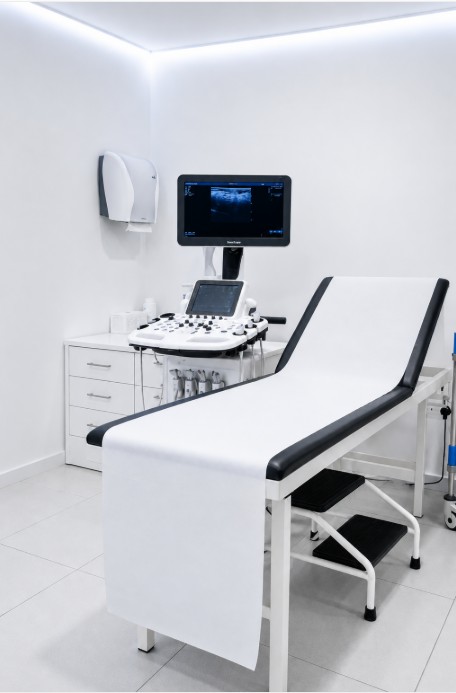
The Gastroenterology Department of Mediterranean Hospital of Cyprus is equipped with advanced endoscopic and imaging technology, enabling highly accurate and safe diagnostic and therapeutic procedures.

The Department features:

  • Two modern Endoscopy Rooms
  • Advanced gastroscopy and colonoscopy systems
  • Endoscopic Ultrasound (EUS) system
  • State-of-the-art high-definition endoscopic towers
  • Interventional endoscopy facilities
  • Advanced monitoring and anaesthesia support systems
  • Full integration with the Operating Theatres, Radiology Department, and Intensive Care Unit (ICU)

The use of modern technology enables:

  • Early diagnosis of digestive system disorders
  • Minimally invasive therapeutic interventions
  • Safe management of complex cases
  • Improved patient experience and faster recovery.

The Gastroenterology Department is staffed by specialised Gastroenterologists with expertise in diagnostic and interventional endoscopy, supported by specialised nursing and technical personnel experienced in the management of gastroenterological and endoscopic cases.

The Department’s team collaborates closely with:

  • General Surgeons
  • Radiologists
  • Oncologists
  • Anaesthesiologists
  • Intensivists
  • Other specialised hospital units

ensuring a comprehensive and multidisciplinary approach for every patient.

Continuous staff training, the implementation of modern international protocols, and the use of advanced endoscopic techniques demonstrate the commitment of Mediterranean Hospital of Cyprus to providing high-level gastroenterological care, with a focus on patient safety, quality, and personalised treatment.

Services

Gastroenterology Department Services

The Gastroenterology Department of Mediterranean Hospital of Cyprus provides comprehensive services for the prevention, diagnosis, treatment, and monitoring of diseases affecting the digestive system, liver, biliary tract, and pancreas.

Staffed by specialised Gastroenterologists and supported by advanced endoscopic technology, the Department offers a wide range of diagnostic and therapeutic procedures available in modern tertiary healthcare centres.

The Department’s services cover both outpatient and inpatient cases, while maintaining close collaboration with Surgical Specialties, Medical Oncology, the Radiology Department, the Histopathology Laboratory, and the other medical services of the Hospital.

Gastroenterology Outpatient Offices

The Gastroenterology Outpatient Offices provide diagnostic and follow-up services for:

  • Gastroesophageal reflux disease
  • Gastric and duodenal ulcers
  • Inflammatory bowel diseases
  • Irritable bowel syndrome
  • Chronic diarrhoea
  • Constipation
  • Liver diseases
  • Biliary tract disorders
  • Pancreatic diseases
  • Gastrointestinal bleeding
  • Gastrointestinal oncology conditions
Gastroscopy (Upper Gastrointestinal Endoscopy)

The Department performs diagnostic and interventional gastroscopies for:

  • Investigation of dyspepsia
  • Gastroesophageal reflux disease
  • Upper gastrointestinal bleeding
  • Gastric and duodenal ulcers
  • Dysphagia
  • Upper gastrointestinal tract biopsies
  • Surveillance of precancerous lesions
Colonoscopy

Colonoscopy is a key tool for the prevention and diagnosis of diseases of the large intestine.

The services include:

  • Colorectal cancer screening
  • Diagnosis of gastrointestinal bleeding
  • Investigation of anaemia
  • Investigation of chronic diarrhoea
  • Investigation of inflammatory bowel diseases
  • Colon biopsies
  • Surveillance of high-risk patients
Polypectomies and Endoscopic Lesion Removal

The Department has significant expertise in the endoscopic removal of polyps and precancerous lesions.

Services include:

  • Colorectal polypectomies
  • Gastric polypectomies
  • Endoscopic removal of early lesions
  • Prevention of colorectal cancer development
Endoscopic Ultrasound (EUS)

Endoscopic Ultrasound (EUS) is one of the most specialised diagnostic procedures in modern Gastroenterology.

It is used for:

  • Investigation of pancreatic diseases
  • Investigation of biliary tract disorders
  • Staging of gastrointestinal cancers
  • Evaluation of submucosal lesions
  • Ultrasound-guided biopsy sampling
  • Assessment of lymph nodes and tumours

The procedure provides highly accurate information that often cannot be obtained through other imaging methods.

ERCP – Endoscopic Retrograde Cholangiopancreatography

The Department provides ERCP services for the diagnosis and treatment of biliary tract and pancreatic diseases.

The services include:

  • Removal of common bile duct stones
  • Management of biliary obstructions
  • Placement of stents
  • Treatment of biliary strictures
  • Management of selected pancreatic conditions
  • Therapeutic biliary interventions

ERCP is an advanced interventional technique that allows the treatment of many conditions without the need for open surgery.

Liver Diseases and Hepatology

The Department provides specialised monitoring and management for patients with:

  • Fatty liver disease
  • Viral hepatitis
  • Liver cirrhosis
  • Autoimmune liver diseases
  • Liver lesions
  • Liver malignancies (liver cancers)
Oncological Gastroenterology

Gastroenterologists actively participate in the diagnosis and staging of gastrointestinal malignancies.

The Department supports cases involving:

  • Oesophageal cancer
  • Gastric cancer
  • Colorectal cancer
  • Pancreatic cancer
  • Biliary tract cancer
  • Liver malignancies (liver cancers)
Participation in Multidisciplinary Teams (MDT)

Gastroenterologists from the Department actively participate in the Multidisciplinary Teams (MDT) of Mediterranean Hospital of Cyprus.

Collaboration with:

  • Surgeons
  • Medical Oncologists
  • Radiologists
  • Histopathologists
  • Hepatologists
  • Interventional Radiologists

ensures comprehensive assessment and a personalised therapeutic approach for each patient.

Comprehensive Gastroenterology Care

The Gastroenterology Department of Mediterranean Hospital of Cyprus combines specialised scientific expertise, advanced endoscopic techniques, and modern technology, providing comprehensive high-level services for the prevention, diagnosis, and treatment of digestive system disorders.

Our goal is early diagnosis, minimally invasive treatment whenever possible, and the provision of personalised care with a focus on the safety and quality of life of every patient.

FAQ

When should I see a Gastroenterologist?

You should consult a Gastroenterologist if you experience symptoms such as persistent abdominal pain, heartburn, difficulty swallowing, bloating, chronic diarrhoea, constipation, blood in the stool, unexplained weight loss, or other digestive system disorders.

What is gastroscopy?

Gastroscopy is a safe and short endoscopic procedure that allows the doctor to examine the oesophagus, stomach, and duodenum. It is used for the diagnosis of conditions such as gastroesophageal reflux disease, ulcers, inflammation, and other disorders of the upper gastrointestinal tract.

What is colonoscopy and why is it important?

Colonoscopy is the most reliable examination for evaluating the large intestine. It enables the diagnosis of conditions and the removal of polyps before they develop into cancer. It is a key tool in the prevention of colorectal cancer.

At what age should screening colonoscopy be performed?

For average-risk individuals, screening is usually recommended to begin at the age of 45. For individuals with a family history of colorectal cancer or other risk factors, screening may need to start earlier, according to the recommendations of the treating physician.

Are gastroscopy or colonoscopy painful?

The procedures are performed using modern sedation methods, ensuring that the patient remains comfortable and does not experience discomfort during the procedure.

What are colorectal polyps?

Polyps are small growths on the lining of the intestine. Most are benign; however, some may develop into cancer over time. For this reason, their removal during colonoscopy is recommended whenever possible.

What is ERCP?

Endoscopic Retrograde Cholangiopancreatography (ERCP) is a specialised interventional endoscopic procedure used for the diagnosis and treatment of biliary tract and pancreatic diseases, such as bile duct stones, strictures, or blockages of the biliary ducts.

What is Endoscopic Ultrasound (EUS)?

Endoscopic Ultrasound (EUS) combines endoscopy with ultrasound imaging and enables highly detailed visualisation of the gastrointestinal tract, pancreas, biliary ducts, and surrounding lymph nodes. It is used for both diagnosis and biopsy sampling.

Can polyps be removed during colonoscopy?

Yes. In most cases, polyps are removed during the same procedure without the need for surgery or a second intervention.

How soon can I return to my activities after an endoscopy?

Most patients return to their daily activities on the same day or the following day. If sedation is administered, it is recommended that you do not drive or operate machinery for the rest of the day.

Does the Gastroenterology Department participate in the diagnosis and treatment of cancer?

Yes. The Gastroenterologists at Mediterranean Hospital actively participate in the diagnosis, staging, and monitoring of gastrointestinal malignancies and collaborate closely with the Oncology, Surgical, Radiology, and Histopathology Departments.

Are cases discussed in Multidisciplinary Teams (MDT)?

Yes. Complex and oncology cases are presented at the Multidisciplinary Teams (MDT) of Mediterranean Hospital of Cyprus, where Gastroenterologists, Surgeons, Oncologists, Radiologists, and Histopathologists participate, with the aim of reaching the optimal therapeutic decision.

How can I book an appointment with the Gastroenterology Department?

You can contact the Patient Services Centre or the Gastroenterology Department of Mediterranean Hospital of Cyprus to schedule an appointment, an endoscopic examination, or a specialised gastroenterological assessment.

Why choose the Gastroenterology Department of Mediterranean Hospital of Cyprus?

The Department combines specialised medical staff, state-of-the-art endoscopic equipment, and advanced interventional techniques such as ERCP and Endoscopic Ultrasound (EUS), providing comprehensive diagnostic and therapeutic services in accordance with the highest international standards of quality and safety.