



A new scientific study involving Pantelis Yalias, Radiologist and Director of the Breast Centre at Mediterranean Hospital of Cyprus, highlights the significant potential of Artificial Intelligence in the early detection of breast cancer.
The research was published in Radiology, the scientific journal of the Radiological Society of North America (RSNA), and was conducted by Mr Yalias as part of his doctoral studies at Linköping University Hospital in Sweden, with the participation of researcher Apostolia Tsirikoglou from Karolinska Institutet.
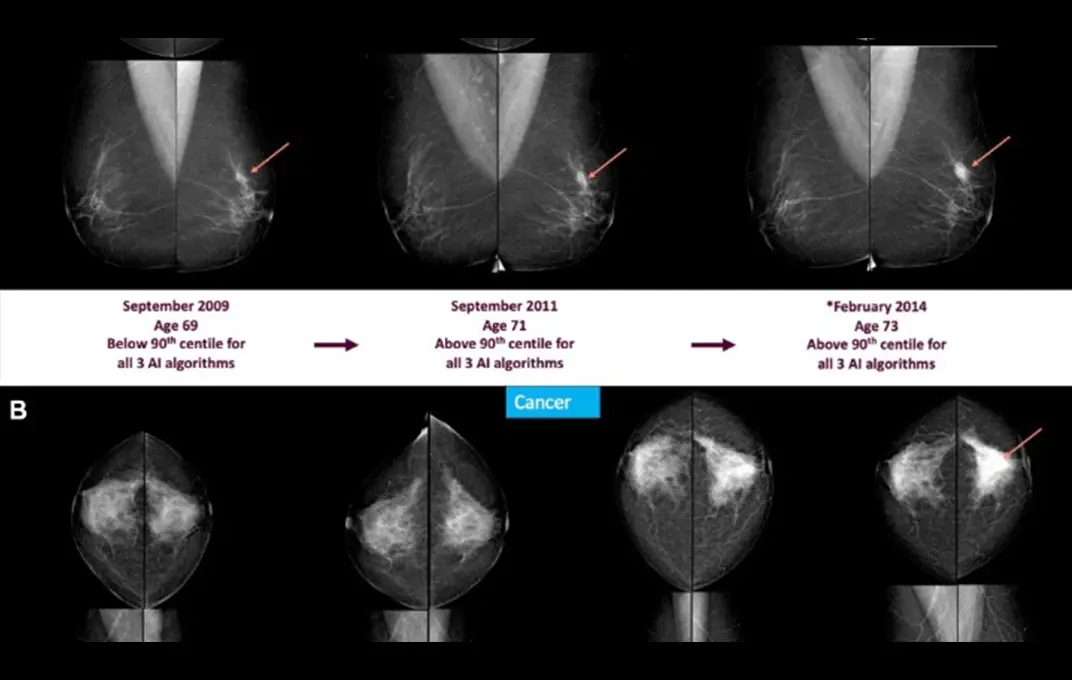
The study evaluated nearly 89,000 mammograms from 31,394 women, performed in Sweden over a period of approximately ten years. The researchers examined the ability of three commercially available Artificial Intelligence systems to identify early signs of breast cancer in mammograms taken years before the eventual diagnosis.
The results showed that the Artificial Intelligence systems were able to identify signs of the disease up to six years before diagnosis in a significant proportion of cases, while in some cases indications were detected as early as ten years before diagnosis.
According to Mr Yalias, these are very subtle changes in breast imaging, such as minor architectural distortions or gradual changes in breast density, which may not be possible for the human eye to assess with certainty at such an early stage.
Artificial Intelligence does not replace the radiologist. Instead, it can serve as an additional powerful tool to support medical diagnosis, helping specialists identify women who may benefit from closer monitoring or a different screening programme.
As Mr Yalias explains, the next important step is to investigate whether Artificial Intelligence systems can be incorporated into specific clinical protocols, allowing women in whom early signs are identified to follow a personalised screening programme.
The research activity of Pantelis Yalias and the Breast Centre at Mediterranean Hospital of Cyprus forms part of the Hospital’s ongoing commitment to harnessing modern technology and scientific knowledge to support earlier diagnosis and more effective management of breast cancer.
Source: Radiological Society of North America (RSNA) / Athens-Macedonian News Agency (ANA-MPA)