



Services & Departments

Hybrid Trauma Resuscitation Centre

Email: info@medihospital.com.cy

Telephone:

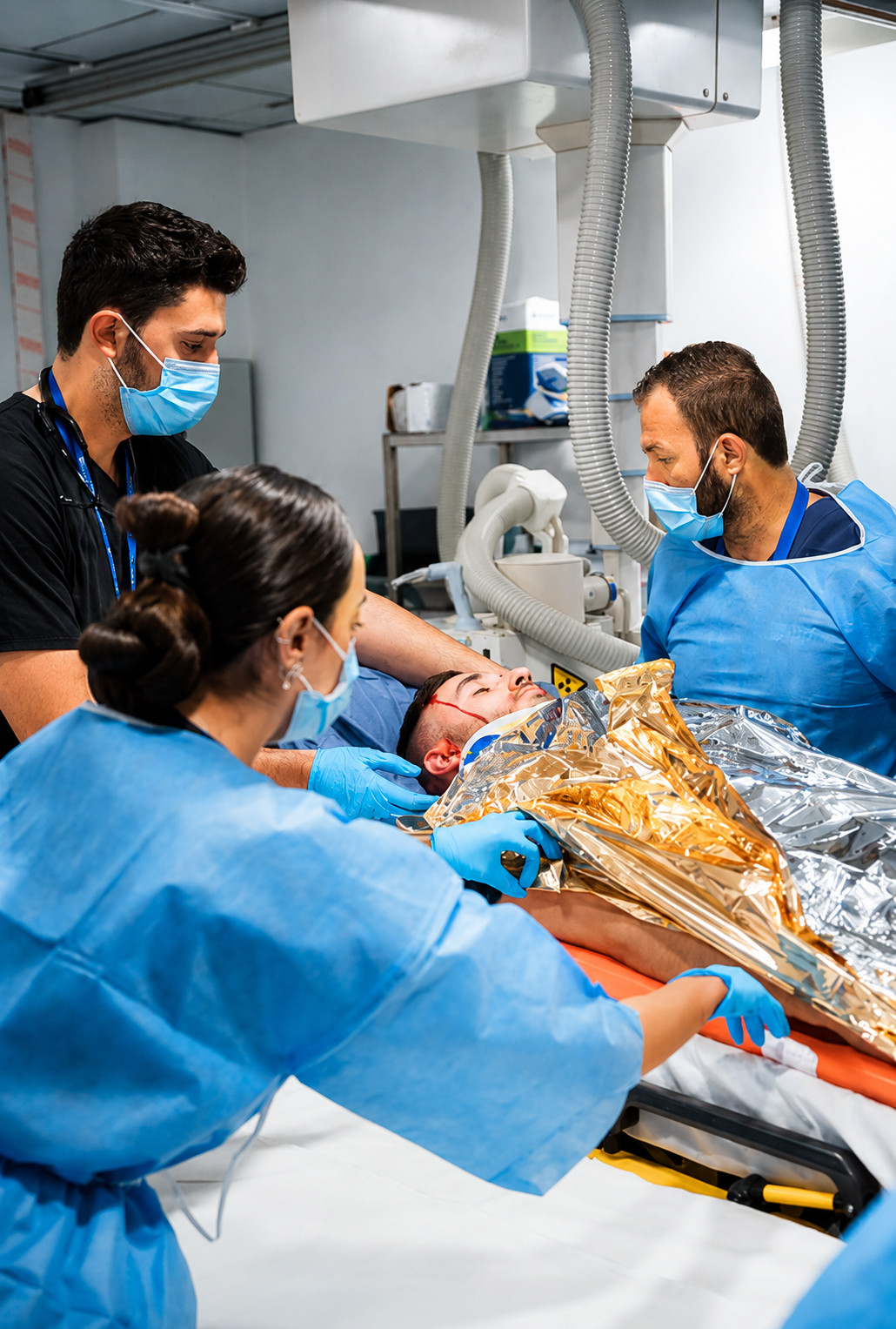
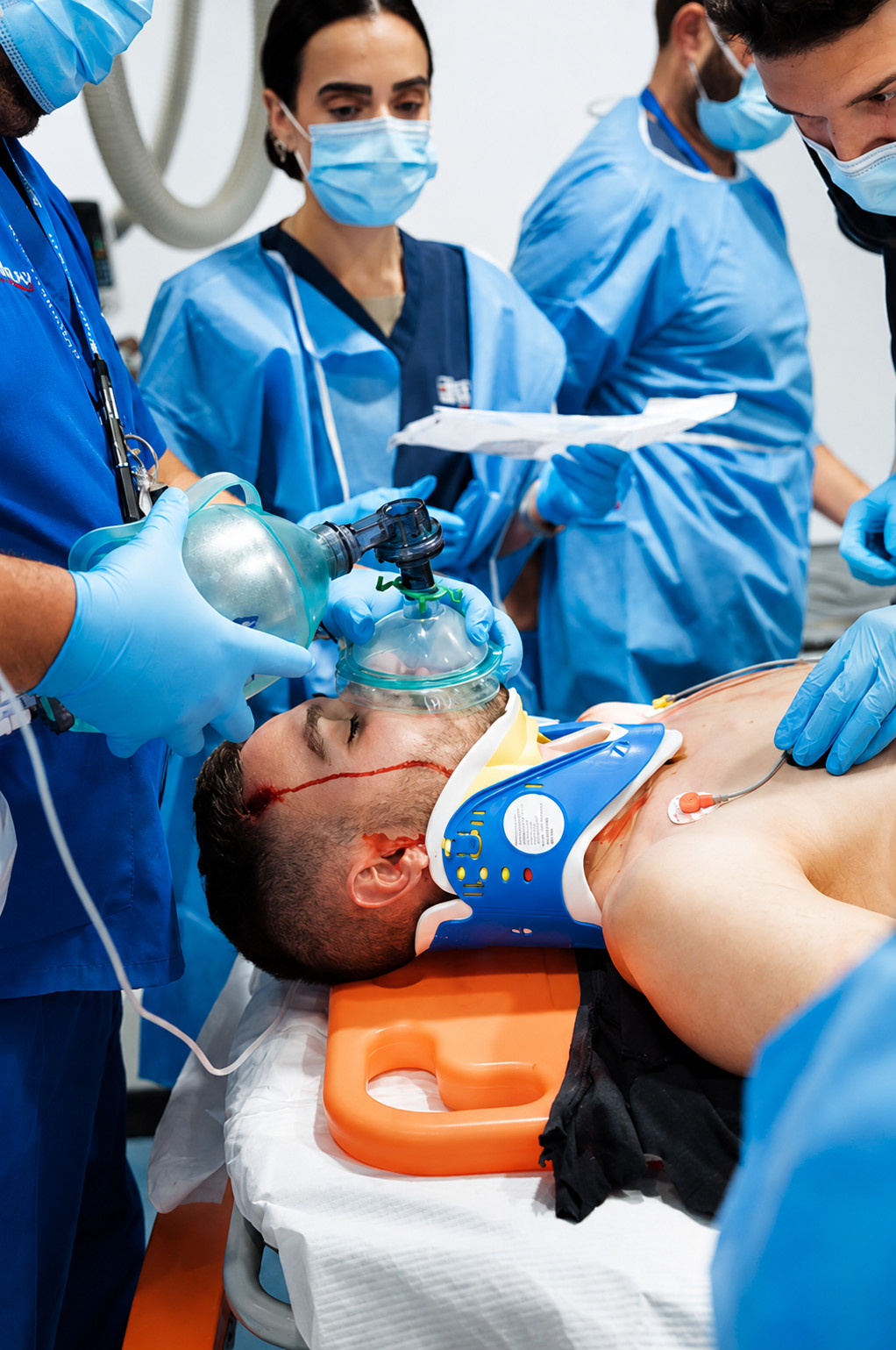
Trauma is one of the leading causes of death and permanent disability worldwide, requiring immediate, coordinated, and highly specialised medical intervention within the first critical minutes of a patient’s arrival. The successful management of severely injured patients depends on the availability of specialised facilities, operational readiness, and real-time collaboration between multiple medical specialties.

The Hybrid Trauma and Resuscitation Centre at Mediterranean Hospital of Cyprus is one of the most advanced and comprehensively organised Trauma Centres in Cyprus. Designed in accordance with international standards for trauma care and emergency preparedness, it has provided comprehensive, specialist, and immediate care for patients with major trauma, multiple injuries, and life-threatening emergencies since 2015. The Centre operates 24 hours a day, 365 days a year.

Under the clinical leadership of specialist Surgeon and Traumatologist Dr Andreas Panayiotou, the Hybrid Trauma and Resuscitation Centre has developed a highly effective, integrated trauma management system that combines advanced technology, immediate diagnostic imaging, surgical readiness, and multidisciplinary coordination.

The Centre manages:

  • Major trauma patients
  • Severe road traffic injuries
  • Traumatic brain injuries
  • Thoracic and abdominal trauma
  • Vascular trauma
  • Severe orthopaedic trauma
  • Haemorrhagic shock
  • Other life-threatening emergency conditions

Direct access to the Trauma Room, Operating Theatres, Intensive Care Unit (ICU), Diagnostic Imaging Department, and the specialised support services of Mediterranean Hospital of Cyprus enables rapid clinical decision-making and the implementation of advanced trauma care protocols in accordance with international standards.
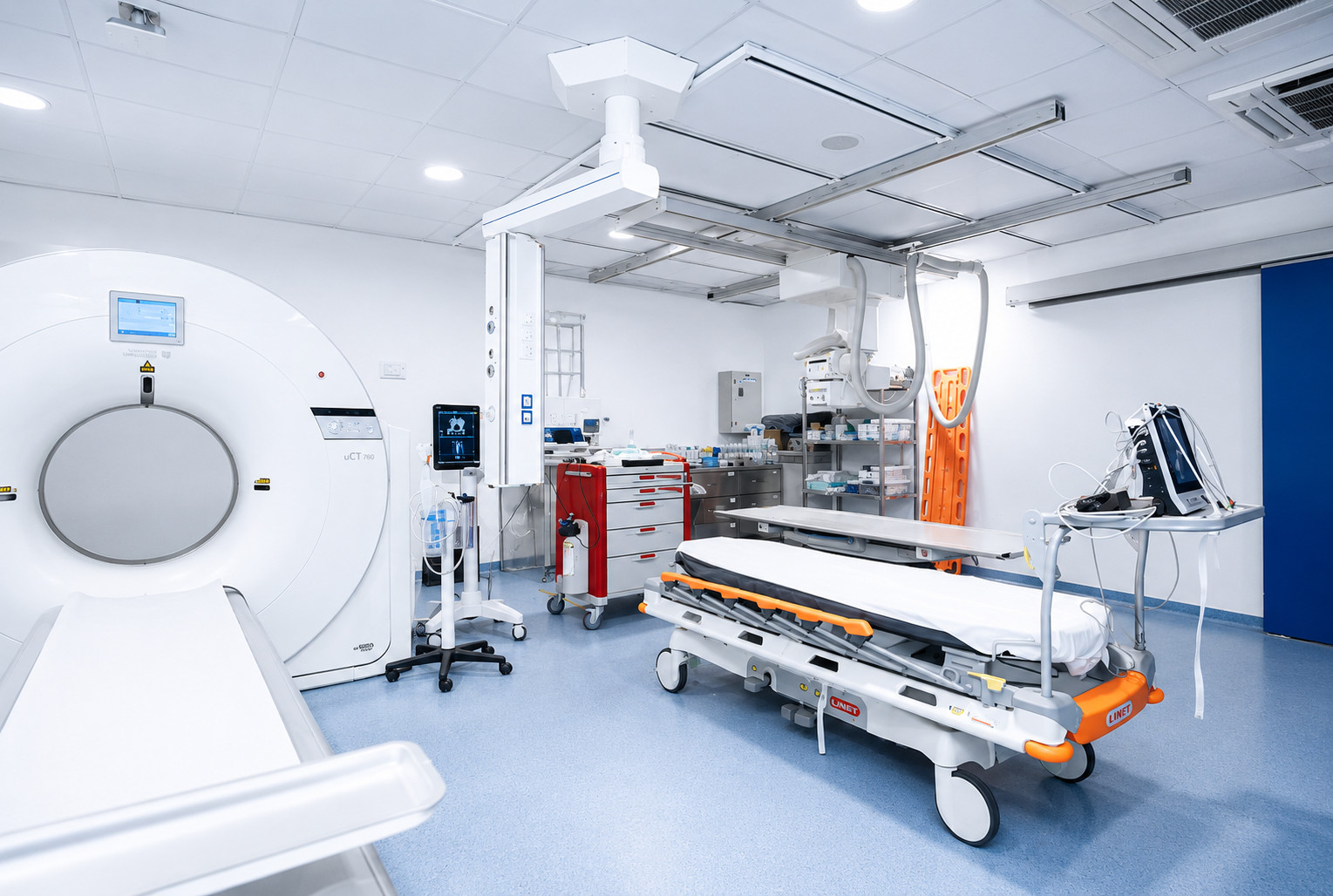
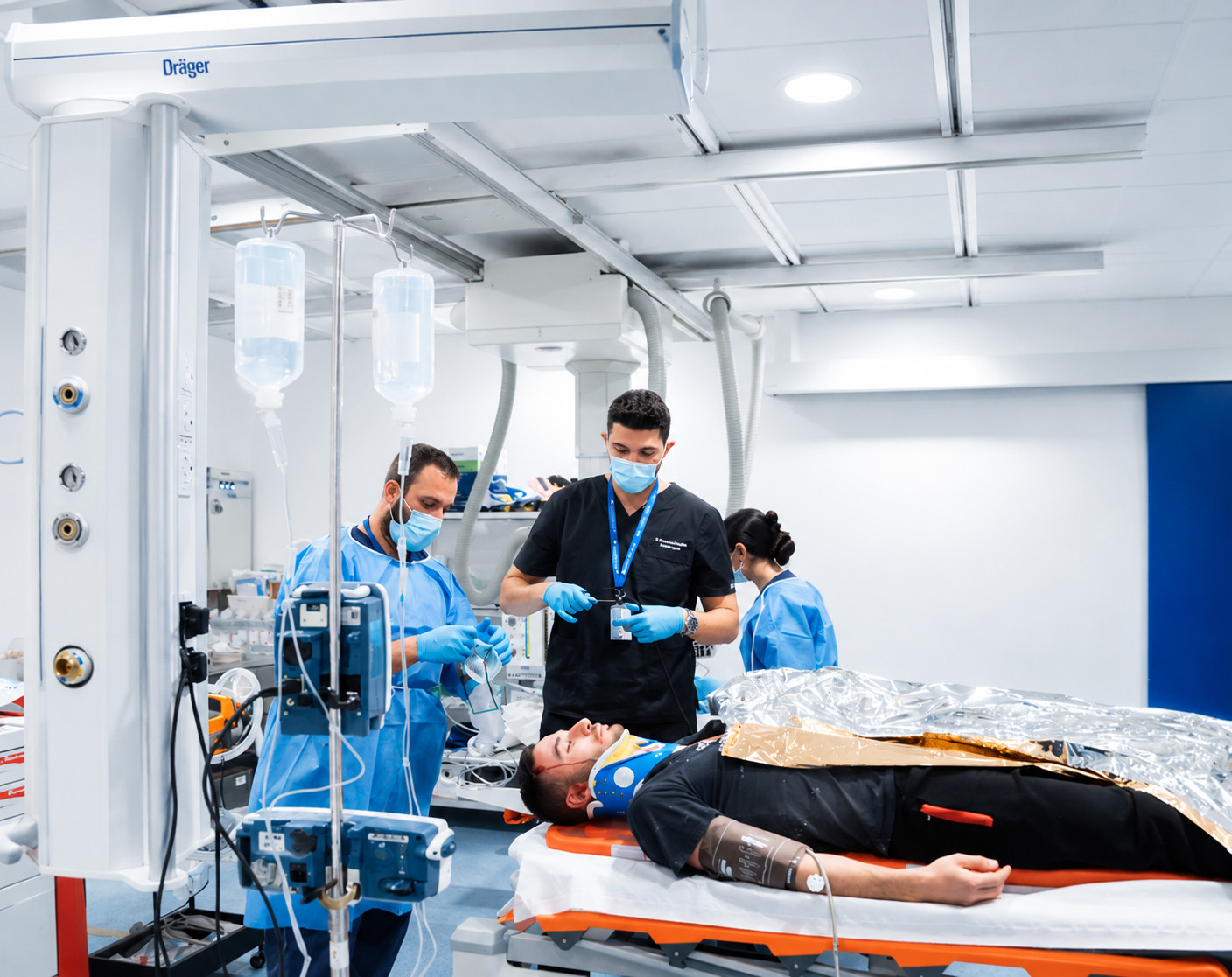
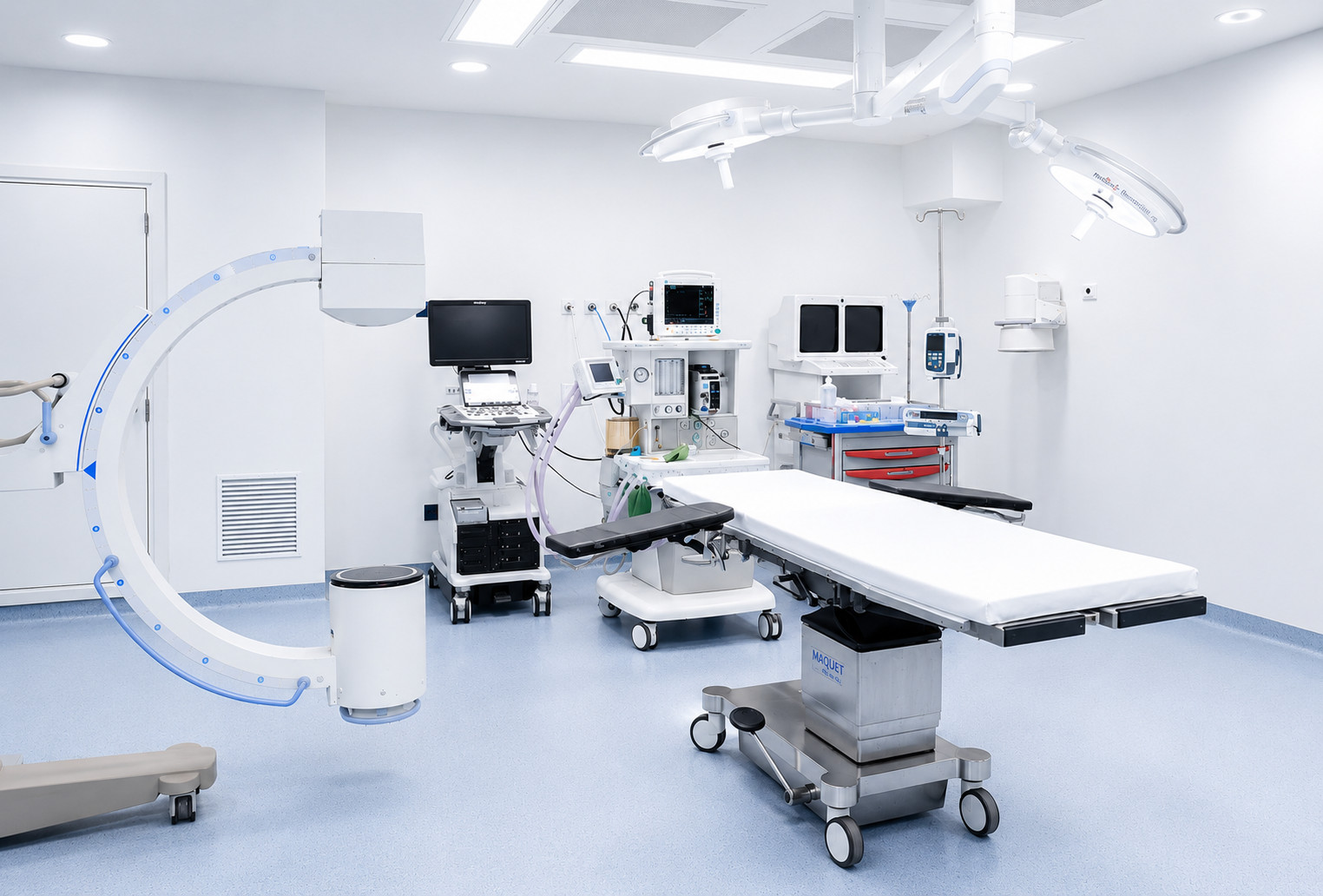
The Hybrid Trauma and Resuscitation Centre at Mediterranean Hospital of Cyprus is supported by state-of-the-art medical technology and advanced infrastructure, enabling the immediate and effective management of even the most complex traumatic injuries.

The Centre features:

  • A dedicated Trauma Room
  • State-of-the-art Hybrid Operating Theatres
  • Advanced angiography and haemodynamic imaging systems
  • 160-slice CT scanners operating 24 hours a day
  • MRI scanners
  • Advanced FAST ultrasound and bedside imaging systems
  • A REBOA system for the emergency management of haemorrhagic shock
  • O-Arm imaging and neuronavigation systems
  • Advanced ICU ventilators
  • ECMO and Continuous Renal Replacement Therapy (CRRT) systems
  • Full integration with the Intensive Care Unit (ICU) and the Hospital’s surgical facilities

The technological infrastructure of Mediterranean Hospital of Cyprus enables the implementation of advanced Damage Control Surgery (DCS) and Damage Control Resuscitation (DCR) protocols, significantly improving survival rates and clinical outcomes for patients with major trauma.

The Hybrid Trauma and Resuscitation Centre is staffed by a highly specialised multidisciplinary team of physicians, nurses, and healthcare professionals with extensive experience in the management of trauma and critically ill patients.

The team includes:

  • Trauma Surgeons
  • General Surgeons
  • Orthopaedic Surgeons
  • Interventional Radiologists
  • Vascular Surgeons
  • Neurosurgeons
  • Anaesthesiologists
  • Intensivists
  • Radiologists
  • Specialist Trauma and Intensive Care nurses

The Centre provides continuous 24-hour on-call cover with the immediate activation of the Trauma Team, ensuring a rapid response and coordinated management of every emergency case.

Continuous professional training, adherence to internationally recognised clinical protocols, and close collaboration between multiple specialties form the cornerstone of the Centre’s operation, reflecting the commitment of Mediterranean Hospital of Cyprus to delivering advanced trauma care and emergency care in accordance with the highest international standards.

Services

The Hybrid Trauma and Resuscitation Centre at Mediterranean Hospital of Cyprus

The Hybrid Trauma and Resuscitation Centre at Mediterranean Hospital of Cyprus is a highly specialised hospital unit designed to provide the immediate and comprehensive management of major trauma and life-threatening emergencies. It is staffed by specialist physicians and nurses, equipped with advanced medical technology, and supported by well-established clinical pathways to deliver rapid diagnosis, stabilisation, and treatment for critically ill and severely injured patients.

The Centre manages a wide range of emergencies, including road traffic accidents, falls, multiple traumatic injuries, sports-related injuries, and other critical conditions requiring immediate medical intervention. Its operation is based on the coordinated collaboration of multiple medical specialties, including Trauma Surgeons, Orthopaedic Surgeons, Anaesthesiologists, Neurosurgeons, and Emergency Medicine Physicians.

The primary objective of a Trauma Centre is to provide the fastest possible response, as the first minutes following a severe injury are crucial in saving lives and improving long-term patient outcomes.

Operating 24 hours a day, the Hybrid Trauma and Resuscitation Centre at Mediterranean Hospital of Cyprus delivers comprehensive, immediate, and highly coordinated care, ensuring the safe and effective management of every emergency.

The Philosophy of Modern Trauma Care

In modern trauma care, time is a critical determinant of survival—the Golden Hour.

The first hour following a severe injury is crucial for:

  • Stabilising the patient
  • Controlling haemorrhage
  • Restoring adequate oxygenation
  • Preventing multiple organ failure

A successful outcome depends on:

  • Rapid diagnosis
  • Immediate surgical intervention
  • Continuous haemodynamic monitoring
  • Specialised intensive care support
The Trauma Team

The Trauma Team at Mediterranean Hospital of Cyprus is a highly organised multidisciplinary team of specialist healthcare professionals.

The team includes:

  • General Surgeon – Trauma Team Leader
  • Anaesthesiologist
  • Orthopaedic Trauma Surgeon
  • Intensivist
  • Radiologist
  • Neurosurgeon
  • Thoracic Surgeon
  • Vascular Surgeon
  • Interventional Radiologist
  • Specialist Trauma Nursing Staff

The team is coordinated even before the patient's arrival through advanced trauma activation and communication systems, ensuring an immediate, organised, and highly effective clinical response.

Advanced Facilities and Cutting-Edge Technology

The Hybrid Trauma and Resuscitation Centre features a dedicated, state-of-the-art Trauma Room, specifically designed to minimise the time to diagnosis and intervention.

Its advanced facilities include:

  • Multislice CT scanner
  • Digital X-ray imaging system
  • FAST/E-FAST ultrasound equipment
  • ECMO support
  • Immediate access to REBOA
  • Direct access to the dedicated Trauma Operating Theatre

The architectural design of the unit significantly reduces:

  • Treatment delays
  • Unnecessary patient transfers
  • Time to definitive surgical intervention
ECMO at the Trauma Centre of Mediterranean Hospital of Cyprus

ECMO – Extracorporeal Membrane Oxygenation

Mediterranean Hospital of Cyprus is equipped with advanced Extracorporeal Membrane Oxygenation (ECMO) systems, providing the highest level of life support for patients with severe cardiac or respiratory failure.

The availability of ECMO is a major advantage of the Hospital’s Hybrid Trauma and Resuscitation Centre and Intensive Care Unit (ICU), enabling the management of the most critically ill patients, including those with major trauma, severe thoracic injuries, acute respiratory distress, and cardiogenic shock.

By temporarily taking over the function of the heart and lungs through extracorporeal circulation, ECMO provides the specialist clinical team with valuable time to treat the underlying condition, significantly improving the patient's chances of survival and recovery.

The ECMO service is supported by a dedicated multidisciplinary team of Intensivists, Cardiothoracic Surgeons, Anaesthesiologists, and Intensive Care nurses, making Mediterranean Hospital of Cyprus one of the few healthcare institutions in Cyprus capable of providing this advanced level of life support.

REBOA – Advanced Haemorrhage Control Technology at the Trauma Centre

Mediterranean Hospital of Cyprus offers the advanced REBOA (Resuscitative Endovascular Balloon Occlusion of the Aorta) technique, an innovative endovascular procedure used in leading Trauma Centres worldwide for the management of patients with life-threatening haemorrhage.

REBOA enables the temporary control of severe internal bleeding by occluding the aorta from within the blood vessel, preserving blood flow to vital organs such as the heart and brain while providing the trauma team with valuable time to achieve definitive haemorrhage control and treat the underlying injuries.

The availability of REBOA is a major strength of the Hospital's Hybrid Trauma and Resuscitation Centre, significantly enhancing its capability to manage patients with major trauma and haemorrhagic shock. This capability is fully integrated with the Hospital's Hybrid Operating Theatres, state-of-the-art angiography systems, Vascular Surgery Department, General Surgery Department, Anaesthesiology Service, and Intensive Care Unit (ICU).

The availability of REBOA places Mediterranean Hospital of Cyprus among the few hospitals equipped with advanced trauma care capabilities, providing patients with access to life-saving technology that can be decisive in the most critical moments.

Management of Patients with Major Trauma

The management of patients with major trauma is based on the principles of Advanced Trauma Life Support (ATLS®).

Primary objectives:

  • Securing the airway
  • Ensuring adequate oxygenation
  • Controlling haemorrhage
  • Stabilising the circulation
  • Rapid identification of life-threatening injuries

Treatment is tailored to each patient according to:

  • The mechanism of injury
  • The severity of the trauma
  • Haemodynamic status
  • Associated injuries
Clinical Excellence and Patient-Centred Care

The Hybrid Trauma and Resuscitation Centre at Mediterranean Hospital of Cyprus brings together:

  • Clinical expertise
  • Cutting-edge technology
  • Operational readiness
  • Patient-centred care

With an unwavering commitment to patient safety and survival, the Centre represents a benchmark for modern trauma care, delivering the highest standards of specialist treatment for every critical emergency, 24 hours a day.

FAQ

When Should I Seek Care at a Hybrid Trauma and Resuscitation Centre?

You should seek immediate care at a Hybrid Trauma and Resuscitation Centre if you have sustained a serious injury or there is any suspicion of major trauma, such as following a road traffic collision, a fall from height, a workplace accident, a high-energy sports injury, trauma to the head, chest, or abdomen, or in cases of severe bleeding or multiple injuries.

What Is a Hybrid Trauma and Resuscitation Centre?

A Hybrid Trauma and Resuscitation Centre is a specialised hospital unit equipped with the infrastructure, advanced technology, and highly trained multidisciplinary team required to provide the immediate and comprehensive management of injured patients, particularly those with major trauma and multiple injuries.

Is the Hybrid Trauma and Resuscitation Centre Open 24 Hours a Day?

Yes. The Hybrid Trauma and Resuscitation Centre at Mediterranean Hospital of Cyprus operates 24 hours a day, 365 days a year, with specialist multidisciplinary teams on continuous standby and immediate access to advanced diagnostic imaging and emergency surgical services.

Can I Come to the Hybrid Trauma and Resuscitation Centre Myself?

Yes. Patients may arrive either by private transport or by ambulance. In cases of serious injury, transport by the Ambulance Service is strongly recommended to ensure safe transfer and immediate pre-hospital emergency care.

Does the Hybrid Trauma and Resuscitation Centre Accept Patients Transported by Ambulance?

Yes. The Hybrid Trauma and Resuscitation Centre accepts patients transferred by the Ambulance Service, both directly from the scene of an incident and from other hospitals or healthcare centres requiring access to specialist trauma care.

Which Medical Specialties Are Involved in the Management of a Patient with Major Trauma?

Depending on the nature and severity of the injuries, the multidisciplinary trauma team may include:

  • Trauma Surgeons and General Surgeons
  • Orthopaedic Surgeons
  • Vascular Surgeons
  • Neurosurgeons
  • Anaesthesiologists
  • Intensivists
  • Radiologists
  • Cardiothoracic Surgeons
  • Plastic Surgeons
  • Oral and Maxillofacial Surgeons

Patient care is always delivered by a multidisciplinary team, ensuring a coordinated and comprehensive approach to the management of major trauma.


What Is the Trauma Team?

The Trauma Team is the specialist multidisciplinary team activated immediately in response to patients with major trauma. It comprises doctors from multiple specialties, specialist trauma nurses, and other healthcare professionals who work together to ensure the rapid assessment, stabilisation, and definitive management of the patient.

Does the Hybrid Trauma and Resuscitation Centre Have Immediate Access to a CT Scanner?

Yes. The Hybrid Trauma and Resuscitation Centre has its own dedicated CT scanner, with two additional CT scanners also available within the hospital. The Centre is supported by state-of-the-art diagnostic imaging systems, including high-resolution CT scanners, enabling the rapid diagnosis of traumatic injuries.

What Is the Trauma Room?

The Trauma Room is a purpose-built facility within the Accident & Emergency Department where the initial assessment, resuscitation, and stabilisation of patients with major trauma are carried out. It is equipped with advanced resuscitation equipment, comprehensive patient monitoring systems, and specialised life-support technology to provide immediate, life-saving care.

What Is the Role of the Hybrid Operating Theatres in Trauma Care?

The Hybrid Operating Theatres enable open surgical and endovascular procedures to be performed in the same operating environment, eliminating delays associated with transferring the patient between departments. This integrated approach is particularly valuable in the management of major trauma and other life-threatening emergencies, where every minute is critical.

Does the Hospital Have an Intensive Care Unit (ICU) for Patients with Major Trauma?

Yes. Following initial resuscitation and stabilisation, critically ill patients may be admitted to the Intensive Care Unit (ICU) at Mediterranean Hospital of Cyprus, which is equipped with advanced life-support technology and staffed by specialist Intensivists and critical care teams, providing continuous monitoring and comprehensive intensive care.

What Happens After Initial Trauma Treatment?

Depending on the patient's condition, ongoing care may include:

  • Admission to an inpatient ward or the Intensive Care Unit (ICU)
  • Surgical intervention
  • Physiotherapy and rehabilitation
  • Follow-up with specialist outpatient clinics
  • Long-term review and ongoing clinical support

The goal is not only to save the patient's life, but also to achieve the highest possible level of functional recovery and quality of life.

Why Is Rapid Transfer to a Hybrid Trauma and Resuscitation Centre So Important?

The first few hours following a serious injury are critical to both patient survival and long-term outcomes. Rapid access to a specialist Trauma Team, advanced diagnostic imaging, and immediate surgical facilities can make a decisive difference to the survival, recovery, and functional rehabilitation of patients with major trauma.

What Advanced Technologies Are Used to Save Patients with Major Trauma?

The Hybrid Trauma and Resuscitation Centre at Mediterranean Hospital of Cyprus is equipped with advanced medical technologies and specialist facilities designed to support the immediate and effective management of patients with major trauma and multiple injuries.

Modern trauma care depends on rapid diagnosis, immediate haemorrhage control, advanced surgical intervention, and comprehensive life-support within the critical first minutes following injury.

At Mediterranean Hospital of Cyprus, state-of-the-art technologies include:

REBOA (Resuscitative Endovascular Balloon Occlusion of the Aorta)

REBOA is one of the most advanced techniques available for controlling life-threatening haemorrhage. By temporarily occluding the aorta using an endovascular balloon, it helps control severe internal bleeding while preserving blood flow to vital organs such as the heart and brain until definitive surgical treatment can be performed. This technique is widely used in leading Trauma Centres for patients with haemorrhagic shock and major trauma.

ECMO (Extracorporeal Membrane Oxygenation)

ECMO provides temporary extracorporeal heart and lung support for patients with severe cardiac or respiratory failure. In carefully selected trauma cases, it serves as a lifesaving bridge, giving the multidisciplinary team valuable time to stabilise the patient and provide definitive treatment.

Hybrid Operating Theatres and Advanced Angiography Systems

The Hybrid Operating Theatres combine advanced imaging with surgical capabilities in a single environment, allowing both open surgical and endovascular procedures to be performed without delays associated with transferring the patient. This is particularly important for rapid haemorrhage control and the management of complex traumatic injuries.

High-Speed, High-Resolution CT Scanners

Immediate access to high-resolution CT imaging enables the rapid diagnosis of internal injuries, haemorrhage, and trauma involving the brain, chest, abdomen, and spine, supporting timely and critical treatment decisions.

O-Arm® and Neuronavigation

For patients with spinal or central nervous system injuries, O-Arm® imaging and Neuronavigation systems provide real-time three-dimensional intraoperative imaging and exceptional surgical precision, enabling safer and more targeted neurosurgical and spinal procedures.

Advanced Patient Monitoring and Life-Support Systems

The Hybrid Trauma and Resuscitation Centre is equipped with advanced mechanical ventilators, comprehensive patient monitoring systems, resuscitation equipment, massive transfusion capabilities, and full anaesthetic support to manage the most critically injured patients.

High-Technology Intensive Care Unit (ICU)

Following initial resuscitation and definitive treatment, critically ill patients receive ongoing care in the hospital's Intensive Care Unit (ICU), which features advanced ventilatory support, ECMO capability, Continuous Renal Replacement Therapy (CRRT), positive- and negative-pressure isolation rooms, and specialist intensive care teams.

The integration of these advanced technologies with dedicated teams in Trauma Surgery, Vascular Surgery, Neurosurgery, Orthopaedic Surgery, Anaesthesiology, and Intensive Care enables Mediterranean Hospital of Cyprus to deliver modern, comprehensive, and highly specialised trauma care, even for the most complex and life-threatening emergencies.