



Services & Departments

Physiotherapy

Email: info@medihospital.com.cy

Telephone:

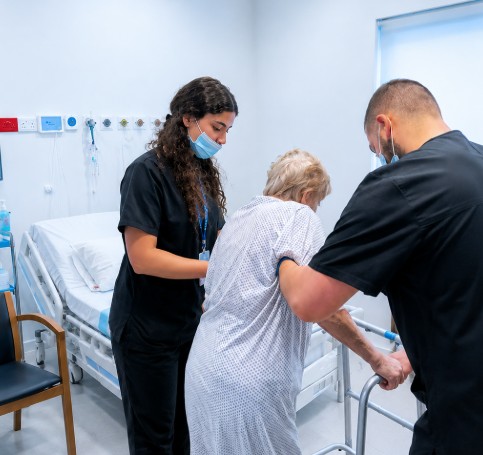
The Physiotherapy Department of Mediterranean Hospital of Cyprus is a modern and comprehensive rehabilitation and supportive therapy unit, operating 24 hours a day, 365 days a year, and providing specialised physiotherapy and therapeutic exercise services to all hospitalised patients.

The Hospital’s physiotherapy team has a key role in:

  • the early mobilisation of patients
  • functional rehabilitation
  • improving respiratory function
  • reducing complications associated with hospitalisation
  • the faster and safer return of patients to their daily activities

The Physiotherapy Department provides care for:

  • orthopaedic and trauma cases
  • neurological patients
  • patients in the Intensive Care Unit (ICU)
  • cardiac surgery and cardiology patients
  • patients with respiratory conditions
  • postoperative patients
  • patients with chronic or complex functional disorders

Physiotherapy interventions are individualised according to the needs of each patient and are provided in close collaboration with the medical staff.

The operation of the Physiotherapy Department is based on current scientific guidelines and multidisciplinary collaboration, with the aim of improving patients’ quality of life, mobility, and overall rehabilitation.

Particular emphasis is placed on:

  • respiratory physiotherapy
  • mobilisation of critically ill patients
  • rehabilitation following surgical procedures
  • comprehensive functional reintegration of patients
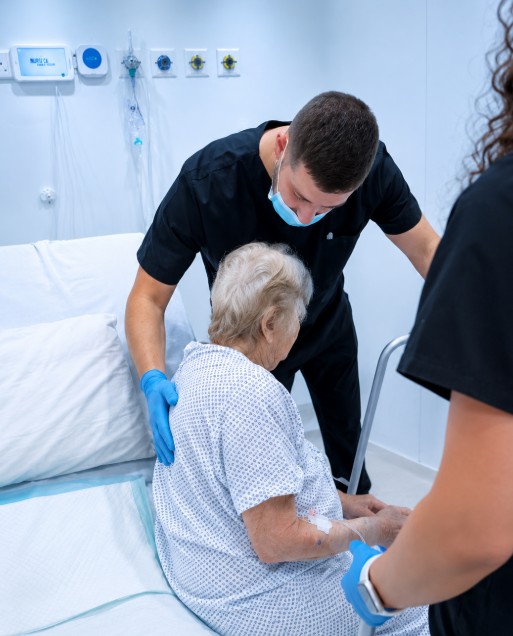
The Physiotherapy Department of Mediterranean Hospital of Cyprus has modern therapeutic facilities and specialised rehabilitation equipment, enabling the safe and effective implementation of physiotherapy programmes for patients of all levels of clinical severity.

The Department is equipped with:

  • Therapeutic exercise and muscle strengthening equipment
  • Respiratory physiotherapy systems
  • Equipment for the early mobilisation of patients
  • Walking aids and functional rehabilitation equipment
  • Electrotherapy and physical therapy modality systems
  • Neurological and orthopaedic rehabilitation equipment
  • Portable physiotherapy equipment for use in the Intensive Care Unit (ICU) and inpatient wards
  • Modern patient monitoring and assessment systems

The Department operates in full integration with:

  • the Intensive Care Unit (ICU)
  • the High Dependency Unit (HDU)
  • the inpatient wards
  • the surgical departments
  • all diagnostic and therapeutic services of the Hospital

The Department’s advanced infrastructure enables:

  • safe mobilisation of critically ill patients
  • individualised therapeutic intervention
  • improved functional rehabilitation
  • reduced hospitalisation and recovery time

The Physiotherapy Department is staffed by specialised Physiotherapists with experience in inpatient rehabilitation, the management of critically ill patients, and modern physiotherapy support.

The team works closely with:

  • Intensive Care Specialists
  • Orthopaedic Surgeons
  • Neurologists
  • Cardiologists
  • Pulmonologists
  • Nurses

and, more broadly, with all specialised services of the Hospital, ensuring a comprehensive and multidisciplinary approach to the rehabilitation of each patient.

The Physiotherapists of Mediterranean Hospital of Cyprus undergo continuous training in modern rehabilitation techniques and apply international therapeutic protocols with the aim of:

  • achieving maximum functional recovery
  • improving mobility
  • reducing complications associated with hospitalisation
  • ensuring the safe and high-quality return of patients to their daily activities

The team’s continuous scientific development and the use of advanced therapeutic technologies confirm the commitment of Mediterranean Hospital of Cyprus to providing high-quality physiotherapy and rehabilitation services, with a focus on patient safety, functionality, and quality of life.

Services

Early and Safe Mobilisation

Early mobilisation aims to safely restore the patient’s movement and functional ability. It helps reduce complications associated with prolonged immobility and supports a faster recovery.

Respiratory Physiotherapy

Respiratory physiotherapy includes specialised techniques to improve respiratory function, facilitate the clearance of airway secretions and help prevent respiratory complications during hospitalisation.

Physiotherapy in the Intensive Care Unit (ICU)

Individualised physiotherapy is provided to ICU patients, focusing on respiratory management, prevention of complications related to immobility and safe early mobilisation.

Post-operative Physiotherapy and Rehabilitation

Post-operative physiotherapy focuses on the safe restoration of mobility, management of functional limitations and progressive recovery, supporting the patient’s return to daily activities.

Orthopaedic and Trauma Rehabilitation

Physiotherapy is provided to patients following orthopaedic surgery or trauma, with the aim of reducing pain, improving mobility and restoring muscle strength and functional capacity.

Neurological Physiotherapy

Neurological physiotherapy focuses on improving mobility, balance, coordination and functional independence in patients with neurological conditions or movement impairments.

Cardiac and Cardiothoracic Rehabilitation

Individualised physiotherapy interventions support the safe mobilisation and gradual increase of physical activity in patients following cardiac or cardiothoracic procedures, according to their clinical condition.

Therapeutic Exercise and Muscle Strengthening

Individualised therapeutic exercise and strengthening programmes are designed to improve muscle strength, endurance and overall functional capacity during hospitalisation.

Gait and Functional Mobility Training

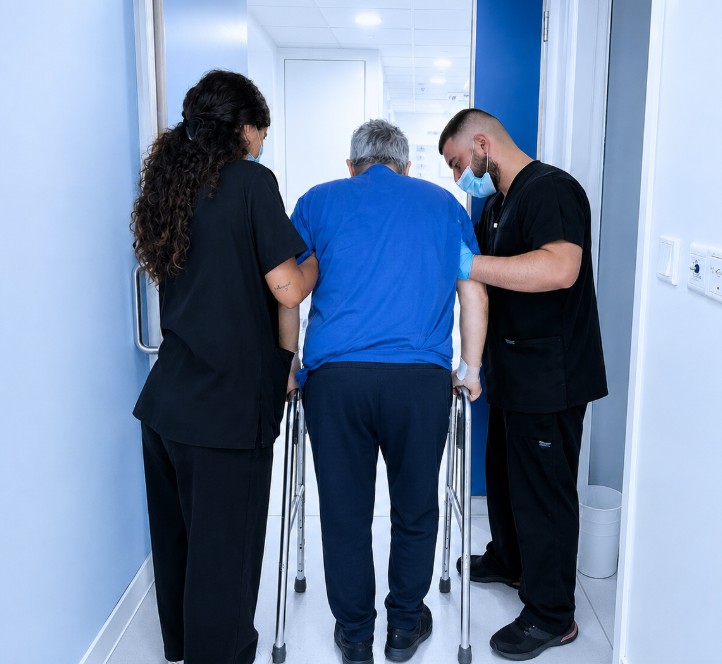
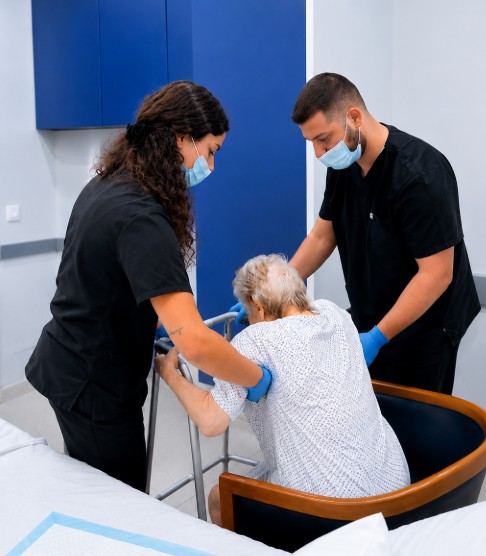
Patients receive training in safe walking, transfers and functional mobility to support independence in daily activities. Appropriate mobility aids are used when clinically indicated.

Prevention of Complications Associated with Prolonged Immobility

Individualised mobilisation and therapeutic exercise programmes help prevent complications associated with prolonged immobility and hospitalisation, supporting a safe and effective recovery.