



Services & Departments

Sports Medicine

Email: info@medihospital.com.cy

Telephone:

Comprehensive Care for Athletes and Musculoskeletal Injuries

The Sports Injuries Department of Mediterranean Hospital of Cyprus is a specialised centre for the diagnosis, treatment, rehabilitation, and prevention of sports injuries and musculoskeletal disorders, providing comprehensive care to professional athletes, recreational athletes, and anyone wishing to maintain or regain their physical activity.

The Department’s philosophy is based on an individualised approach to each patient, with the goal of not only treating the injury but also ensuring a safe and rapid return to sporting, professional, and everyday activities.

The Department manages the full spectrum of sports injuries and musculoskeletal conditions, including:

  • Knee injuries (anterior cruciate ligament tears, meniscal tears, and ligament injuries)
  • Shoulder injuries and shoulder instability
  • Ankle and foot sports injuries
  • Muscle strains and soft tissue injuries
  • Tendinopathies and overuse injuries
  • Cartilage and articular surface injuries
  • Sports-related fractures
  • Spinal disorders related to sporting activities
  • Assessment and prevention of sports injuries

Early diagnosis, conservative treatment, advanced biological therapies, minimally invasive techniques, and modern surgical management are the main pillars of the Department’s practice.

Close collaboration with the Orthopaedic Trauma Department, the Physiotherapy Department, the Radiology Department, and the other specialised services of Mediterranean Hospital of Cyprus ensures comprehensive patient management at every stage of treatment and rehabilitation.

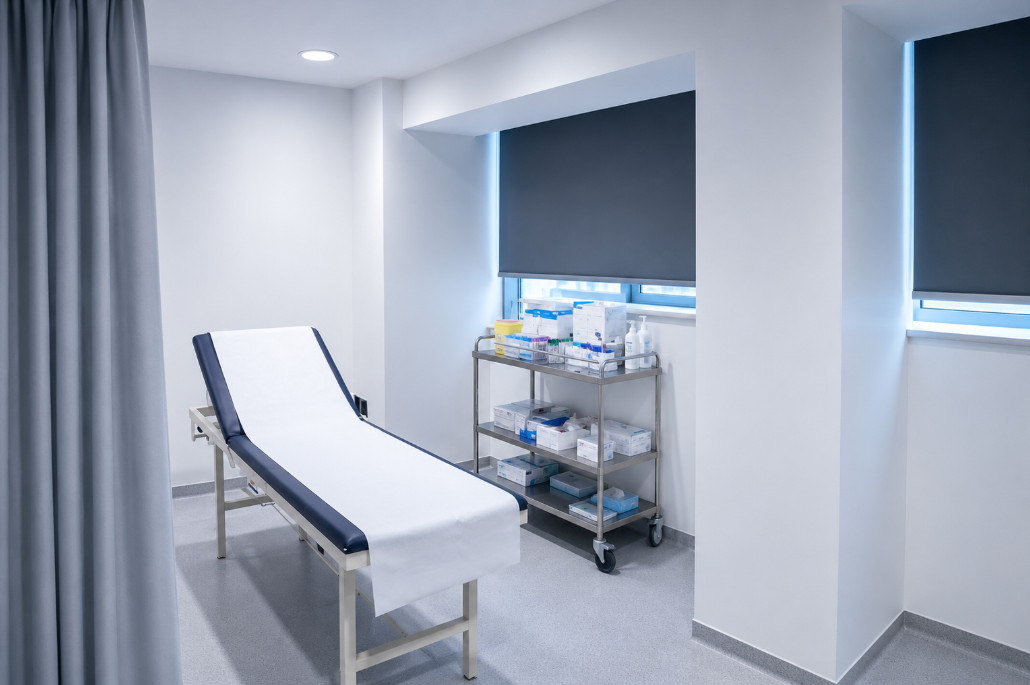
The Sports Injuries Department of Mediterranean Hospital of Cyprus is supported by the advanced infrastructure and technological capabilities of Mediterranean Hospital of Cyprus, offering a comprehensive diagnostic and therapeutic approach.

The available facilities include:

  • Digital Radiology
  • Musculoskeletal Ultrasound
  • Computed Tomography (CT)
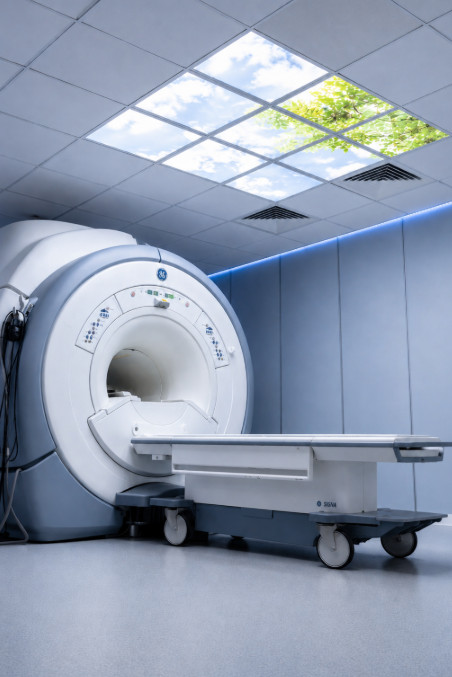
  • High-resolution Magnetic Resonance Imaging (MRI)
  • PACS digital imaging systems
  • State-of-the-art arthroscopic equipment
  • Hybrid Operating Theatres and modern operating rooms
  • O-Arm intraoperative imaging systems
  • Neuronavigation systems, where required
  • Biological and regenerative therapy equipment
  • Fully equipped Physiotherapy and Rehabilitation Department
  • Electronic Medical Records (EMR) and digital patient management

The Sports Injuries Department of Mediterranean Hospital of Cyprus is staffed by specialised Orthopaedic Surgeons with particular expertise and experience in Sports Medicine and Sports Injury Surgery.

The multidisciplinary team includes:

  • Orthopaedic Surgeons specialising in Sports Injuries
  • Orthopaedic Trauma Surgeons
  • Physiotherapists
  • Radiologists with expertise in musculoskeletal imaging
  • Anaesthesiologists
  • Operating Theatre and Rehabilitation Nurses
  • Specialised rehabilitation and return-to-activity professionals

The collaboration of all healthcare professionals enables the development of personalised treatment and rehabilitation programmes, with the primary goal of ensuring the safe return of the athlete or patient to the highest possible level of function and quality of life.

At Mediterranean Hospital of Cyprus, the Sports Injuries Department combines scientific expertise, advanced technology, and a multidisciplinary approach, offering comprehensive solutions for every sports injury and musculoskeletal condition.

Services

Sports Injuries (Sports Medicine) Services

The Sports Injuries Department of Mediterranean Hospital of Cyprus provides comprehensive services for the prevention, diagnosis, treatment, and rehabilitation of sports injuries and musculoskeletal conditions, serving both professional athletes and individuals of all ages who lead an active lifestyle.

The Department’s philosophy is based on an individualised approach to every patient, with the goal of achieving the fastest possible recovery, a safe return to daily or sporting activities, and the prevention of future injuries.

Clinical Assessment and Diagnosis

Early and accurate diagnosis is the first step towards the successful management of every sports injury.

The Department provides:

  • Specialised clinical assessment of sports injuries.
  • Evaluation of acute and chronic musculoskeletal conditions.
  • Assessment of athletes before returning to sport.
  • Monitoring of athletes throughout the rehabilitation process.
  • Preventive screening for athletes and physically active individuals.

Diagnosis is supported by the advanced services of the Hospital’s Radiology Department.

Treatment of Sports Injuries

The Department's physicians treat the full spectrum of sports injuries, including:

  • Ligament tears.
  • Meniscal injuries.
  • Cartilage injuries.
  • Muscle strains.
  • Tendinitis and tendinopathies.
  • Joint dislocations and instability.
  • Fractures and overuse injuries.
  • Shoulder, knee, ankle, and hip disorders.
  • Sports-related spinal injuries.
Conservative Treatments

Many sports injuries can be treated without surgery.

Conservative treatment options include:

  • Specialised rehabilitation programmes.
  • Medication.
  • Injection therapies.
  • Biological therapies, where indicated.
  • Guidance on activity modification.
  • Monitoring the progress of rehabilitation
Arthroscopic and Minimally Invasive Surgery

When surgical treatment is required, the Department applies modern minimally invasive techniques.

The services provided include:

  • Knee arthroscopy.
  • Shoulder arthroscopy.
  • Ligament reconstruction.
  • Surgical treatment of sports injuries.
  • Cartilage injury repair.
  • Modern joint stabilisation techniques.

The goal is to minimise the patient’s burden and enable a faster return to activity.

Rehabilitation and Return to Sport

Rehabilitation is an integral part of the treatment process.

The Department works closely with the Physiotherapy Department of Mediterranean Hospital to provide:

  • Individualised rehabilitation programmes.
  • Functional assessment.
  • Retraining of movement patterns.
  • Safe return to training.
  • Safe return to competitive activity.
Injury Prevention

Prevention is a key pillar of Sports Medicine.

Preventive services include:

  • Assessment of injury risk factors.
  • Counselling for athletes and coaches.
  • Guidance on preventing injury recurrence.
  • Programmes to improve muscle balance and stability.
  • Guidance for safe participation in sports.
Multidisciplinary Approach

Patients of the Department benefit from the collaboration of multiple medical specialties at Mediterranean Hospital, including:

  • Orthopaedics and Traumatology.
  • Spinal Surgery.
  • Physiotherapy.
  • Diagnostic Imaging Department.
  • Neurosurgery.
  • Neurology.
  • Cardiology and Sports Cardiology, when required.

This multidisciplinary collaboration enables comprehensive management of even the most complex cases.

Comprehensive Care for Every Athlete

The Sports Injuries Department of Mediterranean Hospital of Cyprus combines specialised medical expertise, advanced diagnostic capabilities, modern treatment techniques, and comprehensive rehabilitation programmes.

Our goal is to provide every athlete and active individual with the highest standard of care, enabling them to return safely, with confidence and full functional capacity, to the activities they love.

FAQ

What is Sports Medicine?

Sports Medicine is a specialised field of medicine that focuses on the prevention, diagnosis, treatment, and rehabilitation of injuries and conditions related to sports participation and physical activity. Its goal is the safe and timely return of patients to their activities.

Is the Sports Injuries Department only for professional athletes?

No. The Department provides care for professional athletes, amateur sports participants, children, adolescents, and anyone experiencing a musculoskeletal injury or condition, regardless of their level of physical activity.

What are the most common sports injuries?

The most common injuries include sprains, strains, ligament tears, meniscus injuries, shoulder injuries, tendinopathies, muscle injuries, stress fractures, and spinal injuries.

When should I see a specialist after an injury?

If pain persists, there is swelling, inability to bear weight on a limb, restricted movement, or difficulty returning to usual activities, immediate evaluation by a specialised physician is recommended.

How is a sports injury diagnosed?

Diagnosis is based on the medical history, clinical examination, and, when required, imaging tests such as X-rays, ultrasound, computed tomography (CT), or magnetic resonance imaging (MRI).

Do all injuries require surgery?

No. Many sports injuries can be successfully managed with conservative treatment, physiotherapy, personalised rehabilitation, or modern interventional therapies. Surgical treatment is considered only when it is truly necessary.

What conservative treatments does the Department offer?

Depending on the condition, treatment may include physiotherapy programmes, medication, personalised exercise plans, biological therapies, and modern injection or injection-based treatment techniques.

What is arthroscopy?

Arthroscopy is a minimally invasive surgical technique that allows the diagnosis and treatment of joint conditions through very small incisions. It results in less tissue trauma and faster recovery compared with traditional surgical techniques.

How soon can I return to sports after an injury?

The recovery time depends on the type and severity of the injury. Return to sport is recommended only once rehabilitation has been completed and strength, stability, and function of the injured area have been restored.

Does the Department collaborate with physiotherapists?

Yes. Collaboration with the Physiotherapy Department is a key component of the treatment process. Treatment decisions are made with the aim of achieving comprehensive rehabilitation and preventing re-injury.

Can the Department help prevent injuries?

Certainly. Prevention is an important part of Sports Medicine. Through clinical assessment, ergonomic guidance, strengthening programmes, and counselling, the risk of injuries can be significantly reduced.

What happens if my injury requires surgical treatment?

Mediterranean Hospital has a fully organised Orthopaedic and Trauma Department, modern operating theatres, and specialised surgeons with extensive experience in sports injury surgery, providing comprehensive management even for complex cases.

Can I seek a second opinion for a sports injury?

Yes. The Department’s physicians can evaluate existing investigations, medical reports, and treatment plans, providing a comprehensive second medical opinion.

Which specialties collaborate with the Sports Injuries Department?

The management of cases is based on a multidisciplinary approach involving Orthopaedic Surgeons, Radiologists, Physiotherapists, Anaesthesiologists, and other medical specialties when required.

Why should I choose the Sports Injuries Department of Mediterranean Hospital of Cyprus?

The Department combines specialised medical expertise, advanced diagnostic capabilities, modern surgical techniques, comprehensive physiotherapy support, and a personalised approach, providing patients with complete care from diagnosis through to their full return to their activities.

How can I schedule an appointment?

You can contact the Sports Injuries Department or the Patient Services Centre of Mediterranean Hospital of Cyprus to schedule an assessment with a specialised physician and receive personalised advice regarding the management of your condition.

Department Doctors

Διευθυντής

Orthopaedics

Sports Medicine